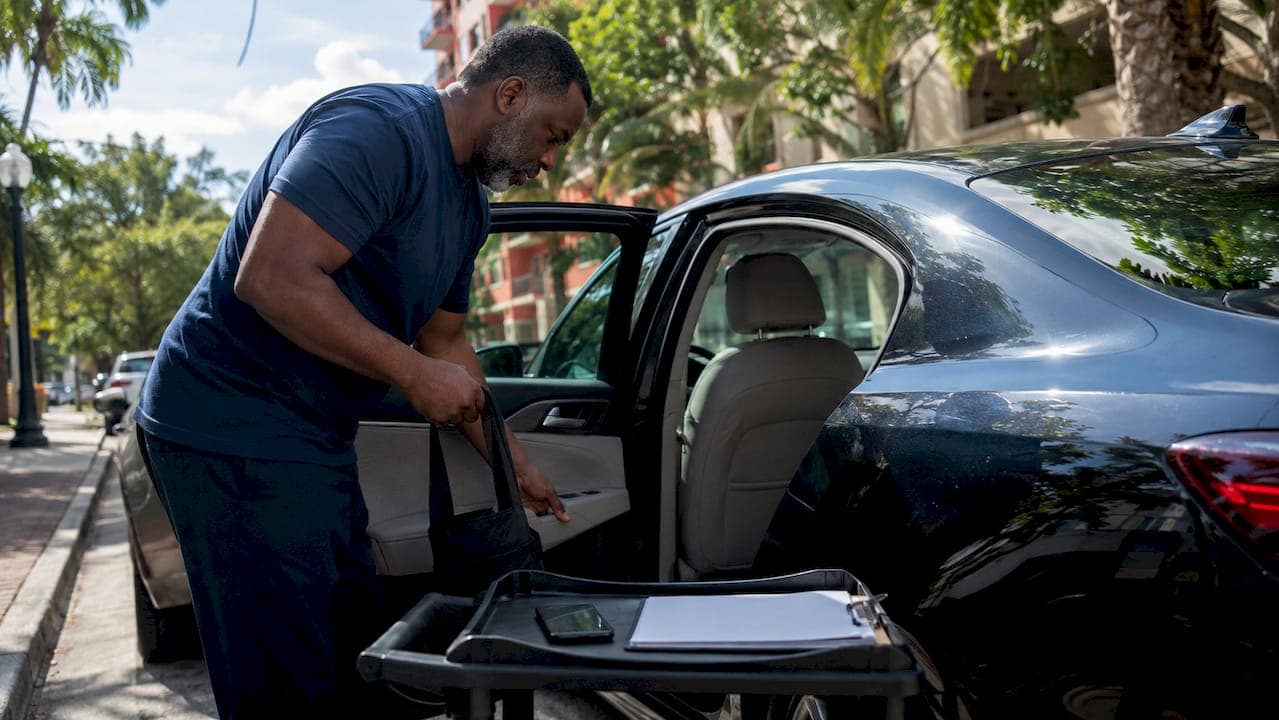
Proper preparation for a mobile detailing appointment is the single biggest factor separating a good result from a great one. The mobile detailing appointment prep steps you follow before the detailer arrives directly shape how thorough and efficient the service will be. Skipping them costs time, limits results, and can create disputes over pre-existing damage. This guide walks you through every step, from clearing your vehicle to choosing the right parking spot, so your appointment runs without a hitch.
What are the essential mobile detailing appointment prep steps?
The core prep steps fall into three categories: clearing the vehicle, documenting its condition, and preparing the space. Each one matters. Miss any of them and you slow the detailer down or reduce the quality of the finished work.
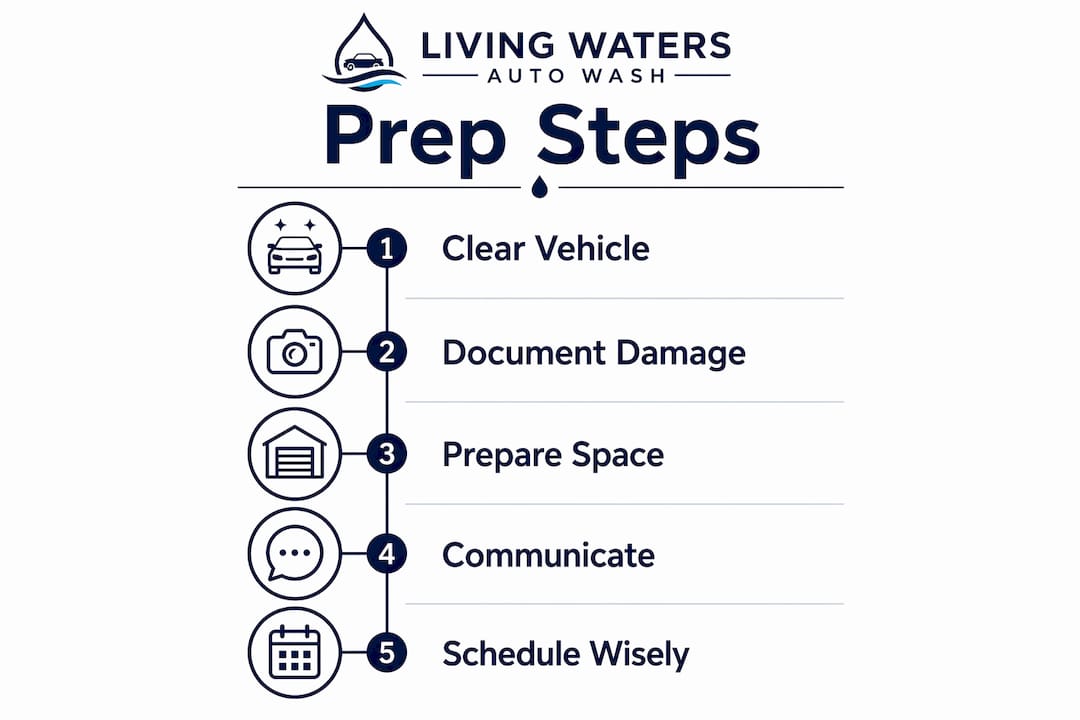
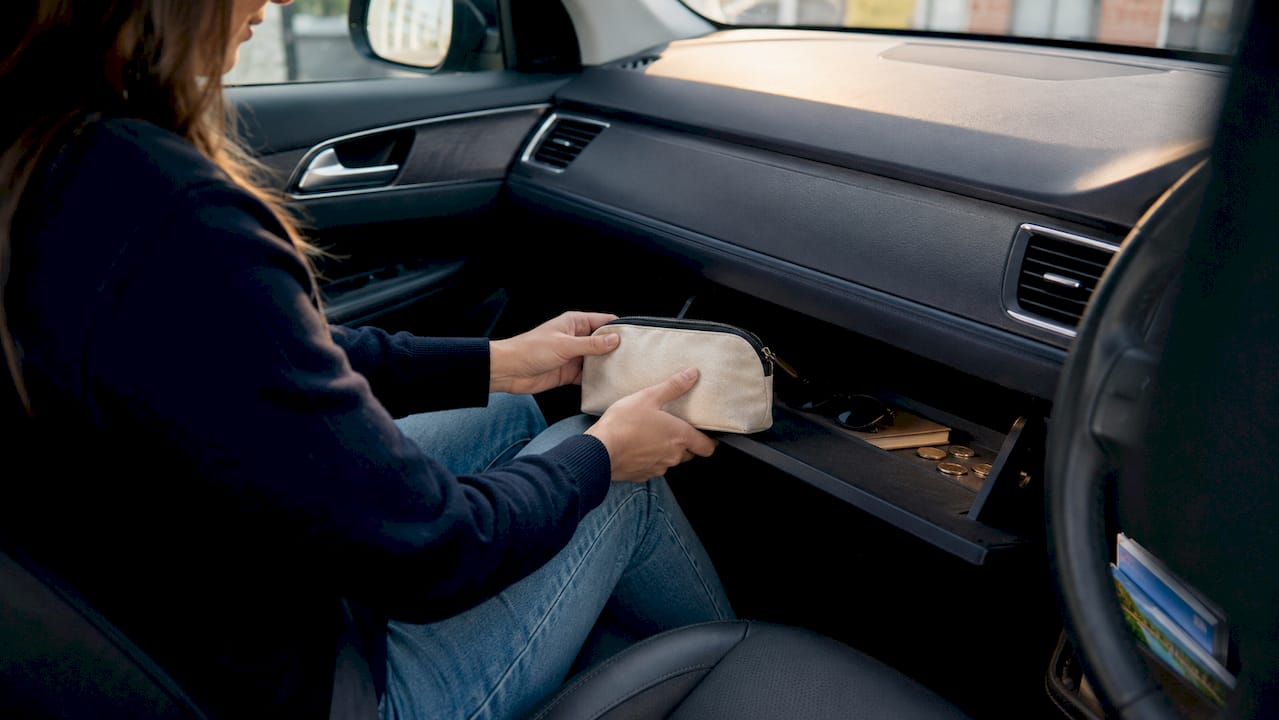
Remove all personal items first. Clear the glove compartment, center console, door pockets, seat backs, and trunk. Detailers carry up to 100 microfiber towels to avoid cross-contamination between surfaces. They cannot use them effectively around loose items, car seats, or bags left behind. Child and booster seats should come out completely so the detailer can clean the upholstery underneath.
Document pre-existing damage before anyone touches the car. Photographing damage before the appointment is the most reliable way to set clear expectations and avoid disputes. Take photos from multiple angles in natural light. Cover scratches, dents, stained upholstery, and any cracked trim.
Communicate problem areas in advance. Texting photos of problem areas before the appointment lets the detailer select the right chemicals and tools. A detailer who knows about pet hair, coffee stains, or smoke odor ahead of time arrives prepared. One who finds out on the spot may not have the right products on the truck.
Here is a quick checklist of what to have ready before the detailer arrives:
- All personal belongings removed from seats, floors, and compartments
- Child seats and booster seats removed
- Photos of pre-existing damage sent to the detailer
- Notes on specific problem areas: stains, odors, pet hair, sticky residue
- Trunk cleared or accessible for cleaning
- Parking space confirmed and ready
Pro Tip: Send your damage photos and problem-area notes to the detailer at least 24 hours before the appointment. That window gives them time to load the right products and plan the service sequence.
How to prepare your car step by step before the detailer arrives
A systematic walkthrough prevents the most common prep mistakes. Work from the inside out, then address the exterior and the parking space.
-
Clear the interior completely. Remove everything from the seats, floors, and all storage compartments. Check under the seats. Detailers cannot vacuum or extract upholstery around clutter, and they will not move valuables for liability reasons.
-
Remove child seats. Pull out all child and booster seats. The fabric and foam underneath accumulates crumbs, spills, and debris that only become visible once the seat is gone. Leaving them in guarantees an incomplete clean.
-
Photograph pre-existing damage. Walk around the car and photograph every scratch, scuff, dent, and interior stain. Pre-appointment photos protect both you and the detailer from misunderstandings about what was there before the service started.
-
Check the trunk. Move anything stored in the trunk to your home or garage. If you carry tools, emergency kits, or sports equipment back there, relocate them for the day. A full trunk limits access and leaves that area uncleaned.
-
Check your fuel level. This sounds minor, but some detailers need to run the engine briefly during certain services. A near-empty tank can complicate that. A half-full tank is fine.
-
Confirm parking access. Walk the planned parking spot and check for obstructions. The detailer's vehicle, hoses, and equipment need room to operate alongside your car. Make sure a neighbor's car, a trash can, or a low-hanging branch will not block the work area.
-
Be reachable during the appointment. You do not need to stand next to the car the whole time, but stay close enough to answer questions. If the detailer finds an unexpected stain or damage mid-service, quick communication prevents delays.
Pro Tip: If you have a garage, pull the car out the night before and leave it in the driveway. Morning light helps you spot items you missed and gives the detailer a clear, accessible workspace from the start.
How do weather, timing, and site conditions affect your appointment?
Environmental factors have a direct impact on detailing quality. Heavy rain or extreme temperatures below 40°F or above 95°F can degrade results and create safety risks. Rescheduling is the right call in those conditions, not a minor inconvenience.
Heat above 95°F causes water spots to form almost instantly on paint during a wash. Cold below 40°F makes waxes and sealants cure improperly, leaving an uneven finish. Rain during an exterior detail is self-explanatory. Check the forecast the day before and contact your detailer early if conditions look questionable.
Timing matters just as much as weather. A standard sedan detail takes 4–5 hours. SUVs and trucks run longer, often 5–7 hours. An express interior service can finish in 45–90 minutes, while paint correction adds 4–16 hours on top of a standard detail. Block out enough time in your schedule so you are not rushing the detailer or moving the car before the work is complete.
Site conditions are the third variable most car owners underestimate. Professional detailers need a flat parking space roughly 12 feet by 20 feet with less than 10% slope. That grade requirement exists for water recovery and drainage. A sloped driveway or tight parking spot compromises both.
Key site requirements: flat surface, 12'x20' minimum footprint, less than 10% slope, clear access on all sides of the vehicle, and shade or a covered area when temperatures are high.
Most mobile detailers carry onboard water tanks holding 30–50 gallons and run power through 240V inverters or generators. You do not need to provide a hose or an outlet. That said, if your driveway has a spigot and you offer access, it can speed up the process for longer services.
What mistakes should you avoid when preparing for mobile detailing?
The most common prep mistakes are predictable and easy to fix once you know what they are.
Leaving valuables inside the car is the top mistake. Detailers work fast and move through every compartment. Loose cash, jewelry, or electronics left behind create unnecessary risk and slow the process when the detailer has to stop and ask what to do with them.
Skipping the communication step is the second most costly error. Clear pre-appointment communication about stains, odors, and problem areas allows the detailer to bring the right products. Without it, they may use a general-purpose cleaner on a stain that needs an enzyme treatment, and the result will show it.
Parking in a tight or sloped space limits what the detailer can physically do. High-pressure washers running at 1,500–2,500 PSI need clearance to work safely. A cramped spot forces the detailer to skip sections or rush through them.
Booking without checking the forecast is a mistake that costs you the whole appointment. Most detailers have a rescheduling policy for weather, but last-minute changes are harder to accommodate than a proactive call the day before.
- Remove all valuables before the detailer arrives, not during
- Send problem-area photos at least 24 hours ahead
- Confirm your parking space meets the flat, open footprint requirement
- Check the weather forecast 48 hours out and communicate early if conditions look bad
- Do not wash the car yourself the morning of the appointment. A pre-wash can remove surface debris the detailer uses to assess paint condition
Pro Tip: Ask your detailer what package they recommend after seeing your photos. A detailer who reviews your car's condition in advance will often catch upgrade opportunities, like a clay bar treatment or odor bomb, that make a real difference in the final result.
Key Takeaways
Proper preparation before a mobile detailing appointment directly determines the quality and efficiency of the service you receive.
| Point | Details |
|---|---|
| Clear the vehicle completely | Remove all personal items, valuables, and child seats before the detailer arrives. |
| Document pre-existing damage | Photograph scratches, dents, and stains from multiple angles and share them with the detailer in advance. |
| Communicate problem areas early | Send photos of stains, odors, or pet hair at least 24 hours ahead so the detailer brings the right products. |
| Prepare a proper parking space | Provide a flat, open area roughly 12'x20' with less than 10% slope for safe and effective work. |
| Account for weather and timing | Avoid scheduling in extreme heat, cold, or rain, and block out 4–7 hours for a full detail. |
What I have learned from watching well-prepared customers get better results
Most car owners think the detailer does all the work. The reality is that your preparation sets the ceiling for what the detailer can achieve. I have seen appointments where a customer cleared the car, sent photos the day before, and picked a shaded driveway with good drainage. Those jobs finish faster, look sharper, and generate zero disputes. The detailer spends every minute cleaning instead of moving bags, asking questions, or working around obstacles.
The photo step is the one most people skip, and it is the one that matters most. Industry experts consistently point to pre-appointment photos as the best way to manage expectations on both sides. A scratch that was there before the appointment is not a problem. A scratch with no documentation becomes a conversation nobody wants to have.
Scheduling also deserves more thought than most car owners give it. Detailing every 3–4 months keeps a vehicle looking consistently clean and protects the paint and interior from long-term wear. Waiting until the car looks bad means the detailer spends more time on correction and less on protection. Regular appointments, combined with good prep habits, produce compounding results over time.
The honest takeaway: a 20-minute prep routine before your appointment is worth more than any upgrade you could add to the service package.
— Living
Lwautowash brings the detail to your door
Lwautowash serves Boca Raton, Pompano Beach, Coral Springs, and Parkland with fully mobile detailing that requires no water hookup or electrical outlet from you. Their team arrives equipped and ready, from express interior cleaning to full-service exterior work, and guides every customer through the prep process before the appointment date.

Lwautowash holds a 5-star reputation built on consistent results and clear communication. If you want a team that takes the guesswork out of scheduling and preparation, book your mobile detail with Lwautowash and get a pristine vehicle without leaving your driveway.
FAQ
What should I remove from my car before a mobile detail?
Remove all personal items from the seats, floors, glove compartment, center console, door pockets, and trunk. Child and booster seats should also come out completely.
Do I need to provide water or electricity for the detailer?
No. Most mobile detailers carry onboard water tanks and use 240V inverters or generators, so you do not need to supply a hose or an outlet.
How long does a mobile detailing appointment take?
A standard sedan detail takes 4–5 hours. SUVs and trucks typically run 5–7 hours. Express interior services can finish in 45–90 minutes.
What weather conditions should I avoid when scheduling?
Avoid booking during heavy rain or when temperatures fall below 40°F or rise above 95°F. Those conditions affect product performance and can require rescheduling.
How often should I schedule mobile detailing?
Detailing every 3–4 months maintains vehicle appearance and protects paint and interior surfaces from long-term wear.
Recommended
- 5-Star Mobile Detailing in Boca Raton, Pompano Beach, Coral Springs, Parkland & Palm Beach County | Living Waters Auto Wash
- 5-Star Mobile Detailing in Boca Raton, Pompano Beach, Coral Springs, Parkland & Palm Beach County | Living Waters Auto Wash
- Engine Bay Detailing & Cleaning | Mobile Service Boca Raton, Pompano Beach, Coral Springs, Parkland & Palm Beach County
- Mobile Car Detailing in Parkland, FL | Living Waters Auto Wash