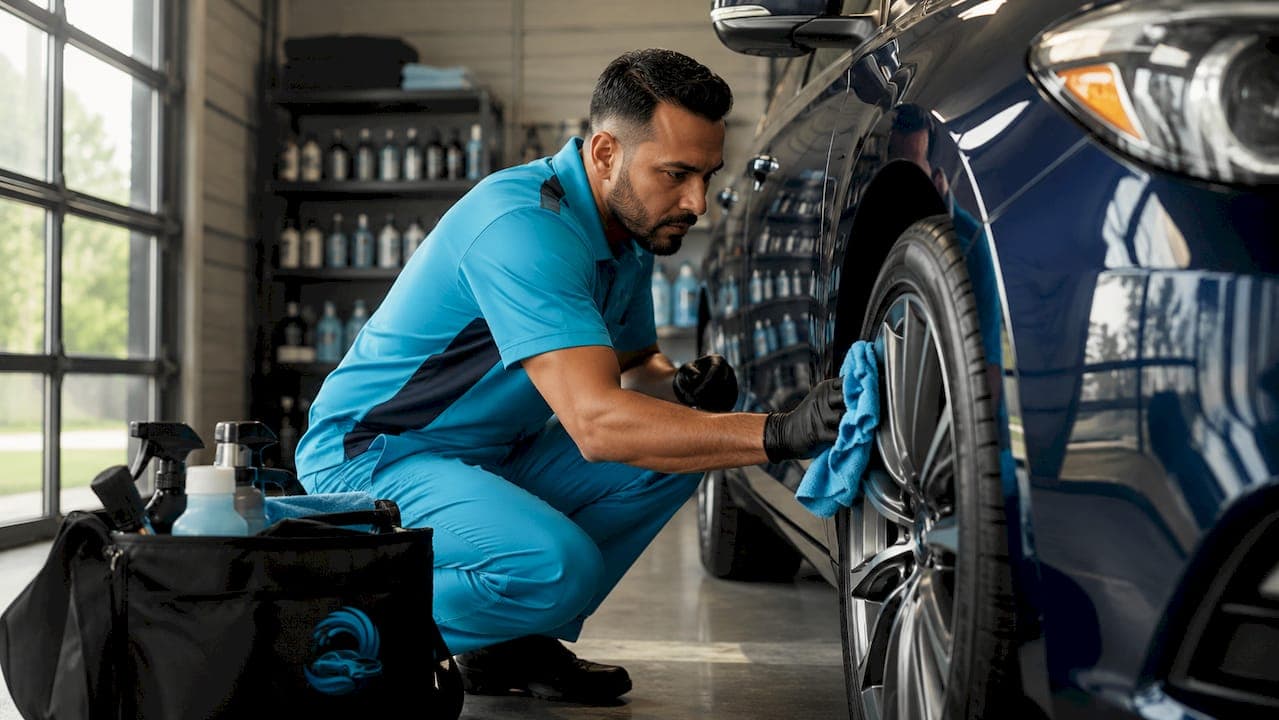
Car detailing frequency recommendations define how often vehicle owners should schedule professional cleaning and protective treatments to preserve paint, interior surfaces, and resale value. The industry standard for daily drivers is 2–4 professional details per year, paired with maintenance washes every 2–4 weeks. That baseline shifts significantly based on where you drive, what you haul, and how your car is stored. This guide breaks down the right schedule for every scenario, so you stop guessing and start protecting your investment.
1. Car detailing frequency recommendations for daily drivers
Daily drivers need a professional full detail every 3–6 months. Industry standards confirm that 2–4 professional details per year keeps contaminants from bonding permanently to paint and interior surfaces. That frequency applies to the average commuter putting moderate miles on a standard sedan or SUV.
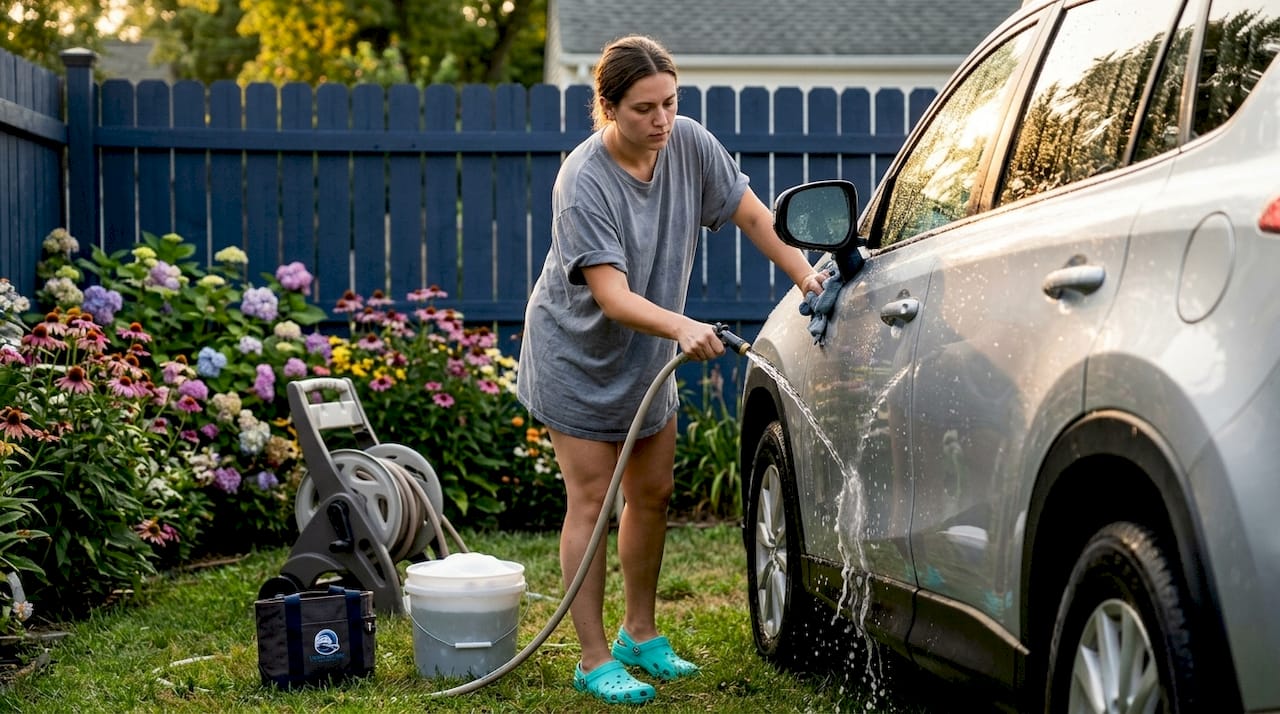
Between professional appointments, a maintenance wash every 2–4 weeks removes road grime, brake dust, and pollen before they etch into the clear coat. Skipping those in-between washes forces your detailer to spend more time on decontamination, which raises your cost and increases the risk of paint marring during correction.
Certain habits push the schedule shorter. Long commutes, eating in the car, pets riding in the back seat, and kids with snacks all accelerate interior soiling. If any of those apply to you, move your interior cleaning frequency to every 6–8 weeks at minimum.
Pro Tip: Schedule your maintenance wash on the same day every two weeks. Treating it like a recurring calendar event removes the decision fatigue that causes most car owners to skip it.
2. How high-impact environments change your detailing schedule
Vehicles in harsh conditions need professional detailing every 6–10 weeks. That is a much tighter window than the standard 3–6 months, and the reason is chemistry. Salt air, road salt, industrial fallout, and biological contaminants attack clear coat and metal at a faster rate than ordinary road grime.
High-impact conditions include:
- Coastal driving: Salt air deposits chloride on every exterior surface, accelerating oxidation on paint and corrosion on undercarriage components.
- Off-road use: Mud, dust, and debris pack into wheel wells, door jambs, and undercarriage channels where moisture traps and rust starts.
- Family vehicles with pets or kids: Dander, fur, food acids, and spills soak into upholstery fibers and cause permanent staining if left more than a few weeks.
- Winter road conditions: Salt accelerates corrosion on brake lines, suspension parts, and rocker panels. Weekly or biweekly washes during winter months are not optional for vehicles in salt-treated regions.
Ceramic-coated vehicles in coastal or high-humidity climates still require regular pH-neutral maintenance washes. Neglecting those washes allows mineral deposits and salt to degrade the coating's hydrophobic properties, eventually requiring a full professional decontamination treatment to restore performance.
Pro Tip: If you live near the coast, like in Boca Raton or Pompano Beach, rinse your wheel wells and undercarriage after every beach trip. That five-minute rinse prevents the kind of corrosion that costs hundreds to repair.
3. Detailing schedule for garage-kept or low-use vehicles
Garage-kept and weekend-only vehicles follow a lighter schedule. Professional detailing once or twice a year is sufficient when a vehicle spends most of its time sheltered from UV exposure, rain, and road debris. A light wash every 4–6 weeks prevents dust and light debris from scratching the paint during routine wipe-downs.
Less frequent use does not mean zero risk. Hidden areas accumulate damage quietly.
Areas to check even on low-use vehicles:
- Door jambs and trunk seals, where moisture and dirt collect and cause rust
- Seat tracks and floor mat edges, where debris packs in and traps odors
- Sunroof drains, which clog with debris and cause water intrusion
A practical schedule for garage-kept vehicles looks like this:
- Light wash every 4–6 weeks to remove dust and light contamination
- Interior wipe-down every 6–8 weeks to prevent dust buildup on surfaces
- Professional detail before long-term storage, covering paint protection and interior conditioning
- Professional detail after storage ends, addressing any moisture damage or oxidation that developed
Seasonal detailing before and after storage periods protects the vehicle during the months it sits. A proper pre-storage detail includes applying a paint sealant or wax layer that shields the finish while the car is not being driven.
4. Key maintenance practices between professional details
High-frequency, low-intensity maintenance prevents the need for labor-intensive deep cleans. Frequent light washes and quick interior wipe-downs preserve surface quality far better than infrequent aggressive sessions. The goal is to remove contaminants before they bond, not after.
Core maintenance habits that protect your car between visits:
- Wash with pH-neutral soap to avoid stripping wax or ceramic coating protection during routine cleaning.
- Vacuum the interior every 2–3 weeks to prevent grit from grinding into carpet fibers and seat fabric.
- Spot-clean spills immediately. Beverage acids and food oils set into upholstery within hours and become permanent stains within days.
- Address bird droppings and tree sap within 24 hours. UV exposure and biological acids accelerate paint degradation, and both contaminants etch through clear coat faster in direct sunlight.
- Clean hidden areas regularly, including door jambs and seat tracks, to prevent rust and odor buildup that develops out of sight.
Pro Tip: Keep a microfiber cloth and a spray bottle of diluted interior cleaner in your glove box. A 60-second wipe-down after a spill prevents a $150 upholstery cleaning bill later.
The table below shows recommended maintenance intervals by task:
| Maintenance Task | Recommended Interval |
|---|---|
| Exterior wash | Every 2–4 weeks |
| Interior vacuum | Every 2–3 weeks |
| Spot cleaning spills | Within 24 hours |
| Bird droppings and sap removal | Within 24 hours |
| Door jamb and hidden area cleaning | Monthly |
| Wax or sealant reapplication | Every 3–4 months |
For cars with exterior paint protection, consistent maintenance between details is what makes that protection last. Skipping routine care shortens the life of any coating or sealant.
5. Detailing frequency comparison across common vehicle scenarios
Detailing frequency should be personalized to match vehicle use, environment, and the owner's appearance goals. The table below gives a quick-reference summary for the four most common scenarios.
| Vehicle Type | Professional Detail | Maintenance Wash | Interior Cleaning |
|---|---|---|---|
| Daily driver (standard) | Every 3–6 months | Every 2–4 weeks | Every 6–8 weeks |
| High-impact environment | Every 6–10 weeks | Weekly or biweekly | Every 4–6 weeks |
| Garage-kept or weekend car | 1–2 times per year | Every 4–6 weeks | Every 6–8 weeks |
| Ceramic-coated vehicle | 1–2 times per year | Every 2–3 weeks (pH-neutral) | Every 6–8 weeks |
The rationale behind each row is exposure. Daily drivers accumulate the most road contamination and interior use. High-impact vehicles face chemical and biological threats that compound quickly. Garage-kept cars face minimal exposure but still need periodic attention. Ceramic-coated vehicles need gentler, more frequent washes to preserve the coating's chemistry.
For car owners in South Florida, the local climate factors push most vehicles toward the higher end of each frequency range. Humidity, UV intensity, and salt air in Boca Raton and Pompano Beach accelerate paint and interior degradation faster than in drier inland climates.
Key Takeaways
Consistent, condition-based detailing protects vehicle value better than any single deep clean, with daily drivers needing professional service every 3–6 months and high-impact vehicles requiring attention every 6–10 weeks.
| Point | Details |
|---|---|
| Daily driver standard | Schedule a professional detail every 3–6 months and wash every 2–4 weeks. |
| High-impact environments | Detail every 6–10 weeks; wash weekly in winter or coastal conditions. |
| Garage-kept vehicles | One to two professional details per year with light washes every 4–6 weeks. |
| Maintenance between visits | Remove bird droppings and sap within 24 hours to prevent paint etching. |
| Ceramic coating care | Use pH-neutral soap on every wash to preserve hydrophobic coating performance. |
What I've learned from years of condition-based detailing
Most car owners think about detailing the wrong way. They treat it as a reactive fix, something you do when the car looks bad. The owners who protect their vehicles best treat detailing as a prevention schedule, not a cleanup.
The biggest misconception I see is that a ceramic coating means you can skip regular washing. A coating reduces how aggressively contaminants bond, but it does not stop them. Salt, sap, and bird droppings still need to come off within 24–48 hours. The coating just gives you a slightly wider window.
The second mistake is ignoring the interior. Exterior paint gets all the attention, but interior air quality and surface condition affect daily comfort and resale value just as much. A car with perfect paint and a stained, odor-filled cabin sells for significantly less than one maintained inside and out.
My honest recommendation: pick a schedule that matches your actual driving life, not the most aggressive one you can imagine following. A realistic routine you stick to beats an ambitious one you abandon after two months.
— Living
Professional mobile detailing that fits your schedule
Living Waters Auto Wash LLC brings 5-star mobile detailing directly to your driveway across Boca Raton, Pompano Beach, Coral Springs, and Parkland. No shop drop-off, no waiting room, and no need for water or electrical hookups on your end.

Whether you need a routine maintenance wash to stay on schedule, a full exterior and interior detail after a tough season, or an express interior cleaning after a spill or pet ride, the Living Waters Auto Wash LLC team handles it at your location. Every service is backed by 5-star reviews and performed by a trained team that understands South Florida's specific climate demands. Book your next detail and keep your vehicle protected without rearranging your day.
FAQ
How often should you detail your car?
Most daily drivers need a professional detail every 3–6 months, paired with a maintenance wash every 2–4 weeks. Vehicles in high-impact environments like coastal areas or heavy family use need professional attention every 6–10 weeks.
Does a ceramic coating reduce how often you need to detail?
A ceramic coating reduces contaminant bonding but does not eliminate the need for regular washing. pH-neutral maintenance washes every 2–3 weeks preserve the coating's hydrophobic properties and prevent mineral buildup.
How often should you clean your car's interior?
Interior cleaning frequency depends on use. Standard drivers should vacuum and wipe down surfaces every 6–8 weeks, while vehicles carrying pets, kids, or food need attention every 4–6 weeks.
What happens if you skip regular maintenance washes?
Contaminants like road salt, bird droppings, and tree sap bond to paint and cause etching or corrosion. Frequent light washes prevent the kind of surface damage that requires expensive paint correction to fix.
How often should a garage-kept car be detailed?
A garage-kept or weekend vehicle needs professional detailing just once or twice a year. Light washes every 4–6 weeks and a thorough detail before and after any long storage period keep the vehicle in top condition.