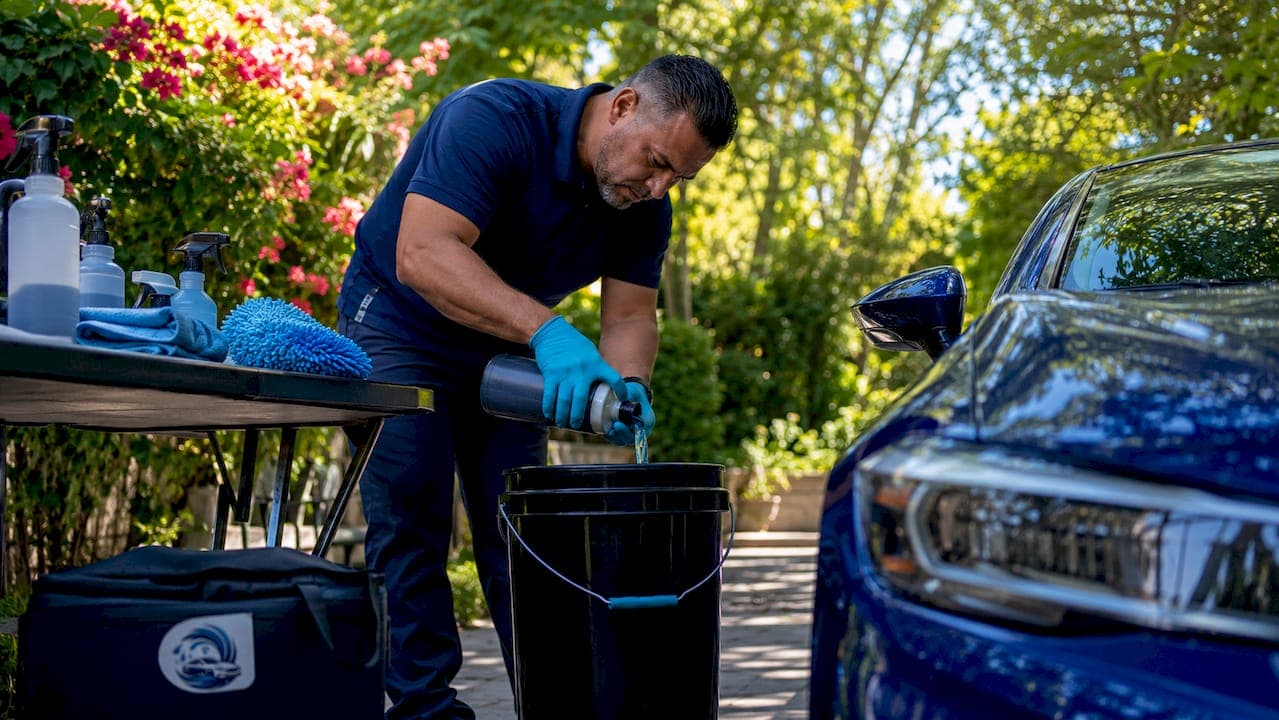
Detailing products safe for paint are formulated to clean automotive surfaces without degrading the finish, stripping protective coatings, or leaving harmful residues. The industry term for this category is "paint-safe automotive detailing supplies," and it covers everything from pH-neutral shampoos to citrus-based degreasers and silicone-free finishing sprays. The best products in this category rely on intelligently balanced surfactants and non-caustic ingredients that lift dirt without attacking clear coat or wax. Knowing which product types to reach for, and how to use them correctly, is the difference between a paint job that lasts a decade and one that fades in two years.
1. Detailing products safe for paint: pH-neutral shampoos
pH-neutral shampoos sit at the foundation of any paint-safe wash routine. They clean effectively without disrupting the chemistry of wax, sealant, or ceramic coatings bonded to your paint. Products like CarPro Reset are formulated without gloss enhancers or polymers, which means no interference with coating bonding during or after the wash.
Dilution ratios for these shampoos range widely. Some concentrate down to 1:100 for light maintenance washes, while others work best at 1:10 for heavier grime. Using too little product reduces lubricity, which increases the risk of micro-scratches during the wash process.
- High-concentrate formulas suit enthusiasts who wash frequently and want cost efficiency.
- Ready-to-use or lightly diluted formulas work better for quick maintenance washes between full details.
- Residue-free formulas are the professional standard, especially before applying a new coating or sealant.
Pro Tip: Choose a residue-free shampoo with no added gloss agents before any paint correction or coating application. Fillers in the formula can mask surface defects and prevent proper bonding.
2. Ceramic-infused soaps and what they actually do
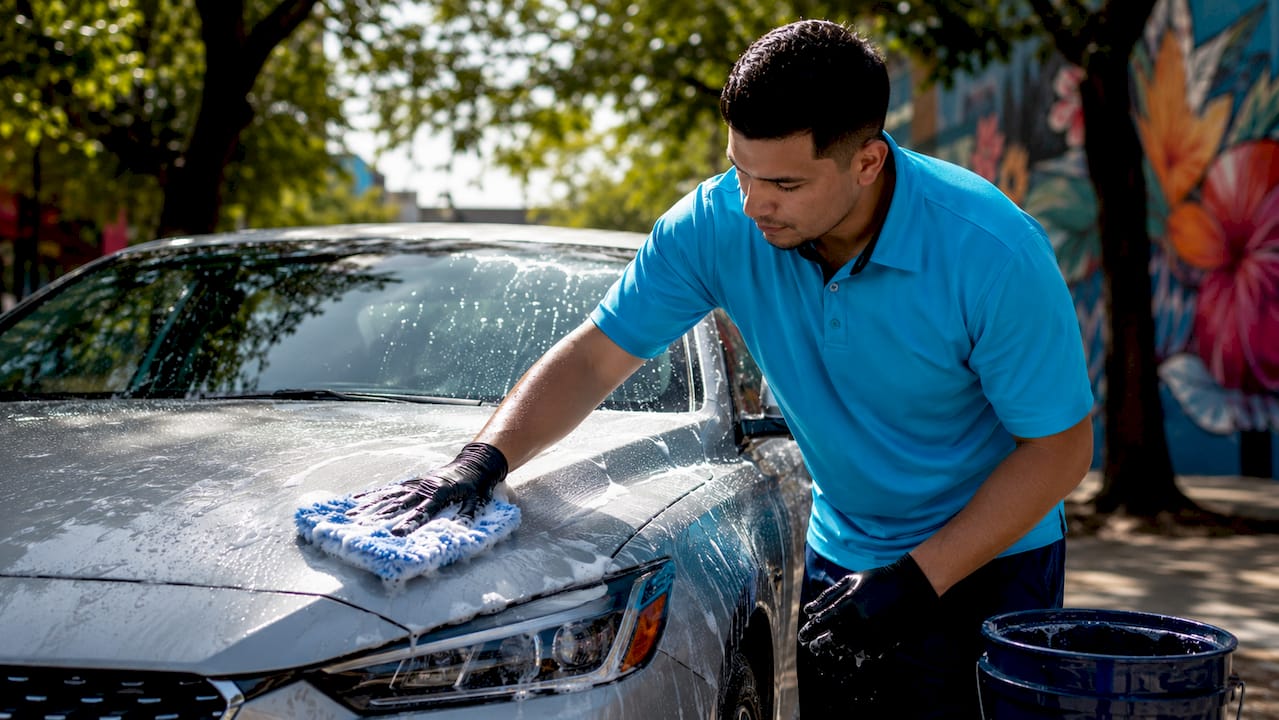
Ceramic-infused soaps add a layer of water-beading chemistry to your wash routine, but their real-world benefit is narrower than marketing suggests. Testing shows faster water beading and drying compared to hybrid soaps, but the added protection does not replace a dedicated wax or sealant application. Think of ceramic soaps as a maintenance top-up, not a protection solution.
The practical value of ceramic-infused soaps shows up most clearly on vehicles that already have a coating. They refresh the hydrophobic layer without requiring a full decontamination cycle. On unprotected paint, the benefit is minimal.
Experts consistently advise focusing on base cleaner quality rather than marketing claims around "hybrid" or "ceramic" labels. A well-formulated traditional shampoo with good lubricity outperforms a poorly made ceramic soap every time.
3. Safe citrus-based degreasers for painted surfaces
Citrus-based degreasers are the most misunderstood category in automotive detailing supplies. Used correctly, they are non-caustic, biodegradable, and completely safe on paint. Used at full strength on a waxed panel, they strip every protective layer in seconds.
The best citrus cleaners combine di-limonene with biodegradable sugar-based surfactants, giving them strong degreasing power without the harshness of solvent-based alternatives. Garage Therapy /ZERO Citrus is a well-known example, with dilution flexibility stretching to 1:100 for light paint-safe cleaning.
Here is where citrus cleaners earn their place in your kit:
- Bug splatter and tar removal at moderate dilution (1:10 to 1:20) before a full wash.
- Engine bay cleaning at stronger dilution where paint contact is limited.
- Wheel wells and lower panels where road grime and grease accumulate.
- Pre-wash sprays on heavily soiled vehicles before the main shampoo stage.
Pro Tip: Always dilute citrus cleaners before spraying on any painted surface. Full-strength application is reserved for bare metal, rubber, or interior surfaces where coatings are not a concern.
4. Body shop safe detailing sprays and quick detailers
Body shop safe detailing sprays are defined by one key characteristic: no silicones. Silicones cause fisheye effects in paint and body filler, which is why paint-safe detailing sprays exclude silicones entirely. This makes them the right choice for any vehicle that may need paint work in the future, or for enthusiasts who want a clean, residue-free finish.
Modern detailing sprays also comply with VOC standards, typically containing around 15% VOC, and carry a shelf life of approximately two years when stored away from heat and direct sunlight. That shelf life matters because degraded sprays can leave streaks or uneven residue on paint.
Quick detailers in this category serve three specific purposes:
- Light dust removal between full washes without water or a bucket.
- Water spot treatment after rain or sprinkler exposure. For stubborn mineral deposits, professional water spot removal techniques go further than any spray alone.
- Final wipe-down after a full detail to add gloss and remove any remaining product residue.
Storage tip: keep detailing sprays in a temperature-stable environment. Freezing temperatures can separate the formula, and excessive heat accelerates VOC evaporation.
5. Rinseless wash products and paint abrasion reduction
Rinseless washing is one of the most underused techniques in paint-safe car care. These products use substantive polymers to encapsulate dirt particles before the wash mitt contacts the surface. That encapsulation is what makes them safer than traditional washing for lightly soiled vehicles.
Optimum No Rinse Wash & Shine is the most recognized product in this category. It significantly reduces water usage while delivering effective cleaning without harsh rubbing. For car owners in water-restricted areas, or those who want a fast midweek maintenance wash, rinseless products are the practical answer.
The key limitation is soil level. Rinseless washing works best on vehicles with light dust or surface contamination. Heavy mud or road grime requires a traditional pre-rinse first to avoid dragging abrasive particles across the paint.
6. How dilution ratios directly affect paint safety
Dilution ratio adherence is the single most overlooked factor in paint-safe detailing. Misuse leads to stripping waxes or damaging delicate paint finishes, even with products marketed as gentle or safe. The product is not the problem. The concentration is.
Gtechniq W5 Citrus All Purpose Cleaner illustrates this clearly. At 1:100 dilution, it is safe for painted surfaces and coatings. At full strength, it removes wax and can dull clear coat. The same product, two completely different outcomes based entirely on how much water you add.
Follow this framework when mixing any automotive detailing product:
- Read the manufacturer's dilution chart first. Do not guess based on how dirty the car looks.
- Start at the most diluted ratio recommended for your surface type, then increase only if needed.
- Test on a small, hidden area before applying any new product to a full panel.
- Use a measuring container. Eyeballing ratios is the fastest way to over-concentrate.
- Label your spray bottles with the product name and dilution ratio so you never mix up concentrations.
Pro Tip: When using a new all-purpose cleaner on a coated vehicle, apply it to the door jamb or lower rocker panel first. These areas are less visible and give you a safe test zone before committing to the full car.
Understanding proper dilution is the single skill that separates enthusiasts who maintain their paint for years from those who unknowingly strip it every wash.
Key takeaways
The most effective approach to paint-safe detailing is combining pH-neutral or citrus-based cleaners at correct dilutions with silicone-free finishing sprays, applied in the right sequence for your vehicle's protection level.
| Point | Details |
|---|---|
| pH-neutral shampoos protect coatings | Choose residue-free formulas with no gloss agents to preserve wax, sealant, or ceramic bonds. |
| Citrus degreasers need dilution | Always dilute citrus cleaners before painted surface contact; full strength strips protective layers. |
| Silicone-free sprays are the safe standard | Body shop safe detailing sprays avoid fisheye effects and comply with VOC standards for clean finishes. |
| Dilution ratio is the critical variable | The same product at different concentrations can protect or damage paint, so always follow manufacturer guidelines. |
| Rinseless washing reduces abrasion | Polymer-based rinseless products encapsulate dirt before contact, making them safer for light maintenance washes. |
What I've learned about "paint-safe" claims after years on the road
The phrase "paint-safe" gets printed on a lot of bottles that do not deserve it. After working with vehicles across South Florida, from salt-air-exposed finishes in Boca Raton to sun-baked clear coats in Coral Springs, I've seen what actually protects paint and what just sounds good on a label.
The biggest misconception I encounter is that pH-neutral automatically means best. It does not. A citrus-based cleaner at the right dilution outperforms a poorly formulated pH-neutral shampoo for deep cleaning without coating damage. The chemistry matters more than the marketing category.
Residue-free products are non-negotiable for coated vehicles. Anything with fillers or gloss enhancers creates a false surface that interferes with the next protection layer you apply. Professionals favor shampoos free of gloss enhancers precisely because they want a clean, honest surface to work with.
My honest advice: ignore foam volume, ignore "ceramic" labels on shampoos, and ignore any product that does not publish a dilution chart. Real paint-safe products give you the information you need to use them correctly. The ones that hide behind vague claims are the ones that cause damage.
— Living
Professional mobile detailing that protects your paint
Living Waters Auto Wash LLC brings paint-safe detailing directly to your driveway across Boca Raton, Pompano Beach, Coral Springs, and Parkland. Every service uses products and techniques selected specifically to protect your vehicle's finish, whether it is bare paint, waxed, sealed, or ceramic coated.

Car owners who want their paint maintained correctly without the guesswork of product selection and dilution ratios get exactly that with Living Waters Auto Wash LLC. The team arrives fully equipped, with no need for your water or electricity. From a quick exterior refresh to a full mobile detailing appointment, every service is backed by a 5-star reputation built on real results in South Florida. Book your appointment and let the professionals handle the chemistry.
FAQ
What makes a detailing product safe for car paint?
A paint-safe detailing product uses pH-neutral or intelligently balanced surfactants that clean without stripping wax, sealant, or ceramic coatings. It also avoids silicones, harsh solvents, and caustic alkaline ingredients that degrade clear coat over time.
Can I use citrus cleaners on painted surfaces?
Yes, citrus-based cleaners are safe on paint when properly diluted. Products like Gtechniq W5 can be diluted up to 1:100 for painted surface use, but full-strength application will strip protective coatings.
Are silicone-free detailing sprays better for my car?
Silicone-free sprays are the professional standard because silicones cause fisheye defects in paint and interfere with any future body or paint work. They also leave a cleaner, residue-free finish on the surface.
How do I know if a shampoo is safe for ceramic coatings?
Choose a shampoo labeled residue-free with no gloss enhancers or polymer fillers. Products like CarPro Reset are specifically formulated to clean without interfering with the chemistry of ceramic coatings already bonded to the paint.
What is rinseless washing and is it safe for paint?
Rinseless washing uses polymer-based products to encapsulate dirt particles before your wash mitt contacts the surface, reducing abrasion risk significantly. It is safe for lightly soiled vehicles and is a practical option for exterior paint protection between full washes.