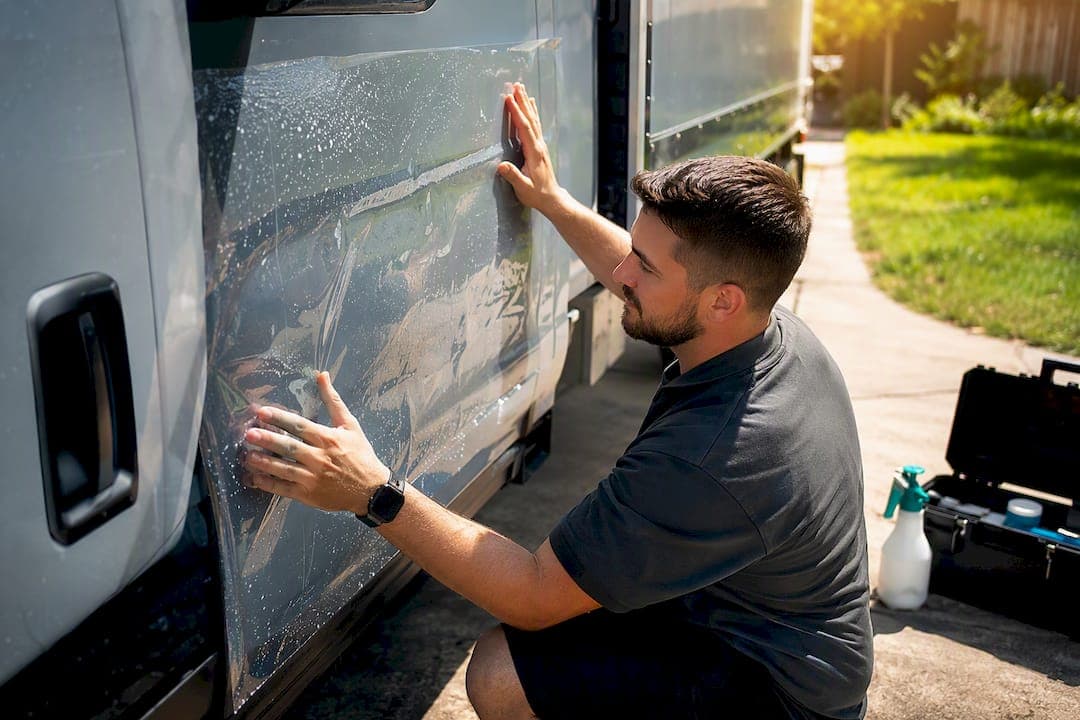
Five materials protect fleet paint while keeping branding sharp: paint protection film (PPF), protection wrap film, full or partial vinyl wraps, pigment-dyed cut vinyl, and specialty protective decals. Each one solves a different problem. PPF and protection wrap film guard against stone chips and swirl marks with self-healing top coats. Vinyl wraps carry the brand and add a thinner layer of paint defense. Pigment-dyed cut vinyl holds color for years without fading. Protective decals and overlaminates handle chemical exposure on service trucks and waste haulers.
3M's protection wrap film runs about 70% thicker than standard vinyl film, which is the kind of spec difference that separates a wrap built to survive a highway commute from one built to survive a five-year route. Once you know which material fits which fleet, the next move is simple: inspect every vehicle, log the current film or vinyl spec on each one, and set a maintenance calendar before anything starts to peel.
Key Takeaways
Protecting fleet branding works best when material selection, color-matching specs, and a consistent wash routine get treated as one decision instead of three separate purchases.
| Point | Details |
|---|---|
| Match material to fleet role | Use protection wrap film on high-impact panels, pigment-dyed vinyl for permanent livery. |
| Specify color standards upfront | Require Pantone or spectrophotometry checks so every vehicle matches across install years. |
| Wash gently, on a schedule | Skip brush washes; follow a weekly wipe, monthly wash, and quarterly inspection routine. |
| Separate material and install warranties | Confirm both in writing before the first vehicle goes through installation. |
| Outsource inspection to mobile detailing | Regular on-site checks catch peeling edges before they become full re-wraps. |
Table of Contents
- Examples of Fleet Branding Protection in Practice
- Design Choices That Keep Every Truck On-Brand
- Maintenance Routines That Extend Graphic Life
- Installing, Warrantying, and Budgeting for Fleet Graphics
- How Mobile Detailing Protects Your Fleet Branding Day to Day
- What Actually Protects Fleet Branding, and What Doesn't
- Sources
Examples of Fleet Branding Protection in Practice
Fleet operators rarely pick one material and call it done. The strongest setups layer protection by vehicle role, exposure, and how long the branding needs to last.
Paint protection film and protection wrap film sit at the top of the durability chain. 3M's protection wrap film uses self-healing polymer technology, meaning light scratches and swirl marks disappear with a bit of heat, and it comes in a 26-color palette that includes gloss, matte, and color-flip finishes. That range matters for fleets that want protection without sacrificing a distinct look.
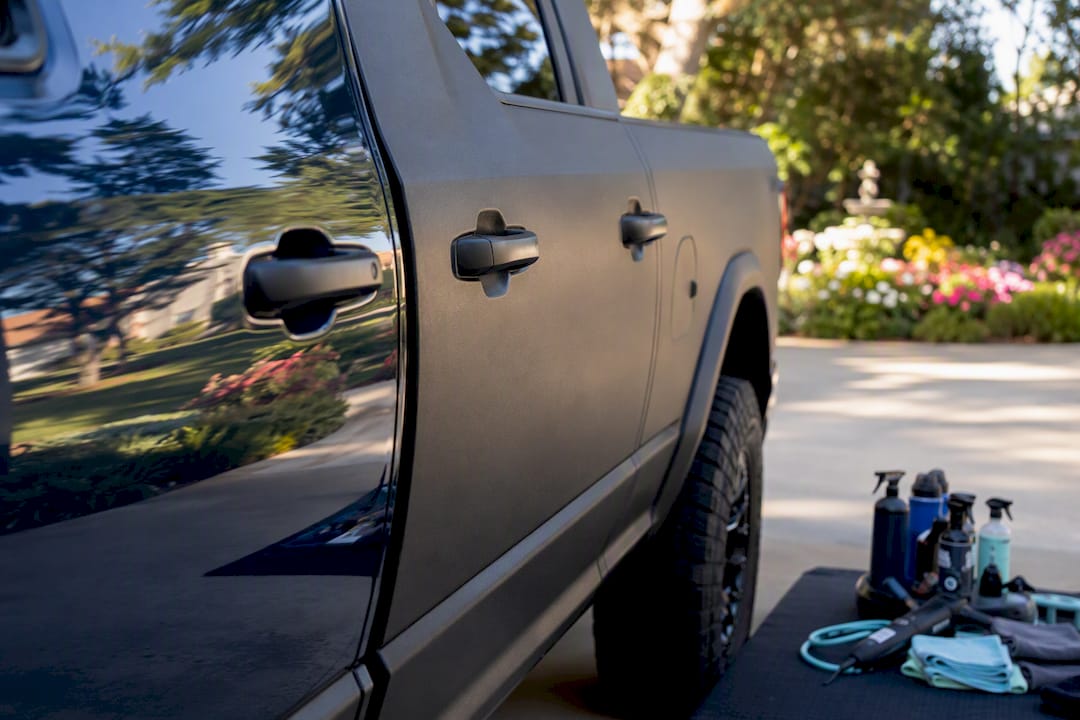
Full and partial vinyl wraps deliver the branding impact fleet managers actually care about. High-quality vinyl shields original paint from minor scratches, UV rays, and general road grime while doubling as a rolling billboard. The tradeoff: standard printed vinyl protects less than dedicated film and fades faster under direct sun.
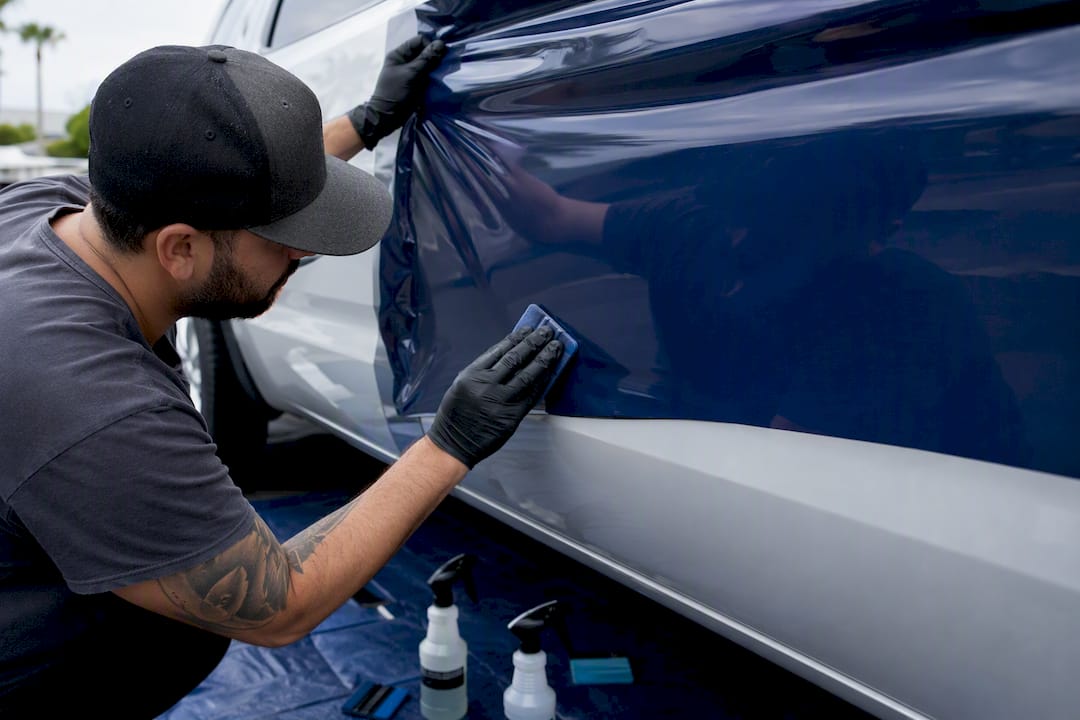
Pigment-dyed cut vinyl, like Metamark M7, solves the fade problem differently. Color runs through the material itself instead of sitting on the surface, so logos and brand colors hold their saturation for years rather than months. Goodyear's fleet rollout used M7 specifically for that reason.
Specialty protective decals cover the fleets everyone else forgets: waste trucks, concrete mixers, and anything that touches corrosive chemicals daily. BrandArmor's CleanWraps and CleanShield line is built to resist battery acid and harsh cleaning agents, and some products carry multi-year replacement warranties.
A quick way to match material to fleet profile:
- Long-haul trucks: protection wrap film on cab and front panels, cut vinyl livery on the trailer.
- Local service vans: full vinyl wrap for maximum branding, partial PPF on lower panels prone to road spray.
- Heavy equipment and waste fleets: CleanShield-style overlays on high-contact zones, pigment-dyed vinyl for the logo work.
A FedEx fleet rollout across 4,500 units reported a 0.04% defect rate by prioritizing pigment-dyed materials and disciplined cut-vinyl installation, proof that material choice and installer precision matter about equally.
Design Choices That Keep Every Truck On-Brand
A fleet of thirty vehicles only reads as "one brand" if every panel matches the last one installed two years earlier. That takes discipline at the spec stage, not just good design work.
- Require Pantone or spectrophotometry color matching. Print shops use Pantone references to keep color consistent across production batches, and you should demand the same standard from your installer, especially if vehicles get wrapped in different years.
- Set logo scale and placement rules once, then enforce them. A logo readable at 5 mph on a parked van often disappears at 55 mph on a highway. Test placement against real viewing distance, not a mockup on a laptop screen.
- Choose cut vinyl for permanent livery, printed vinyl for campaigns. Industry practice treats pigment-dyed cut vinyl as the default for core branding and reserves printed graphics for seasonal promotions or photo-heavy designs that need to change.
- Pick a finish that matches your safety and brand goals. Gloss reads clean and premium; matte hides minor swirl marks; reflective accents improve nighttime visibility for service and delivery fleets.
- Put it all in a fleet livery spec sheet. Document exact Pantone codes, film brand, finish, and logo placement so any installer, in any city, produces the same result.
Pro Tip: Keep a laminated spec sheet in the glove box of your lead fleet vehicle. When a driver reports a chip or peel, whoever handles the repair has the exact material and color code on hand instead of guessing from memory.
Maintenance Routines That Extend Graphic Life
Wraps and protective film fail early almost always because of how they're washed, not how they're made. A brush car wash with worn bristles does more damage over a year than sun exposure does.
Stick to pH-neutral soap and microfiber mitts or wraps designed for automotive vinyl. Skip the automatic brush wash entirely. If you use a pressure washer, keep it under 1,200 PSI and at least a foot from the surface, and avoid hot water above 140°F near seams and edges, where adhesive is most vulnerable.
A workable schedule looks like this:
- Weekly: quick rinse and wipe to remove road salt, bug residue, and brake dust before it sets.
- Monthly: a deeper hand wash with vinyl-safe soap, focusing on wheel wells and lower panels.
- Quarterly: a full inspection of edges, seams, and high-contact zones for lifting or discoloration.
- Annually: a professional-grade service, including clay bar treatment on painted panels and a warranty check.
Avoid stiff-bristle brushes, solvent-based degreasers, and anything with bleach near printed graphics. For stubborn tar or sap, a dedicated vinyl-safe remover applied gently beats scrubbing every time. Skipping this routine doesn't just shorten graphic life. It can also void the material warranty, since most manufacturers require documented proper care.
Pro Tip: Photograph each vehicle's decals and film edges at every quarterly inspection. A dated photo record makes warranty claims faster and gives your installer a clear before-and-after reference. Fleet managers who outsource this routine to a mobile detailing service tend to catch peeling edges before they turn into full panel replacements, since scheduled on-site visits replace the "someone will notice eventually" approach.
Installing, Warrantying, and Budgeting for Fleet Graphics
Material choice only gets you halfway. Installation quality and lifecycle planning determine whether that material actually performs for the years you're paying for.
- Work with certified installers. Programs like 3M's MCS network, along with certified Avery Dennison and Metamark partners, train installers on the specific tension, heat, and squeegee techniques each film requires. Ask any installer how many fleet vehicles they've wrapped in the last year, not just how many cars.
- Get warranties in writing, separately for material and labor. A film manufacturer's warranty rarely covers a bad install, and a botched install rarely gets covered by the material warranty. You want both, in writing, before the first vehicle goes through the bay.
- Ask about removability before you commit to a film. Avery Dennison's fleet documentation treats removability as a core ROI factor. Films that pull clean save real money at end of life; films that leave adhesive residue mean paint correction bills on top of the removal cost.
- Stage installs regionally to avoid grounding your whole fleet at once. Mobile install crews or rolling regional schedules keep trucks earning revenue while the rest of the fleet gets updated.
- Budget for a 3 to 5 year replacement cycle, factoring material cost, install labor, and expected downtime per vehicle, so a graphics refresh never shows up as a surprise line item.
How Mobile Detailing Protects Your Fleet Branding Day to Day
Protective film and vinyl only hold up as long as someone is actually checking on them. Living Waters Auto Wash LLC handles fleet washes and detailing on-site across Boca Raton, Pompano Beach, Coral Springs, and Parkland, which means no vehicle sits idle waiting for a shop appointment while your branding takes a beating from neglect.
A basic on-site checklist that works for most fleets includes coordinating with vehicle mattress cleaning in Dublin services to enhance interior upkeep as part of comprehensive fleet maintenance.
- Inspect each vehicle's decal edges and film seams before washing.
- Use a gentle, vinyl-safe wash process, never an automatic brush.
- Check for lifting corners or bubbling near wheel wells and mirrors.
- Flag any chip or tear for a spot-repair referral instead of a full re-wrap.
- Log findings with photos for warranty and maintenance records.
- Schedule the next visit before the crew leaves the lot.
Dispersed fleets, vehicles parked at different job sites or driver homes, benefit the most from this model, since a mobile team can rotate through a route rather than requiring every vehicle to converge on one shop. Explore the fleet wash services built around this exact routine.
What Actually Protects Fleet Branding, and What Doesn't
Most advice on fleet branding treats graphics and paint protection as two separate purchases: buy the wrap, then maybe think about protection later. That order is backwards. The wrap is the protection, or it should be, and separating the two decisions is how fleets end up paying twice.
The conventional wisdom oversells material choice and undersells installation discipline. It came from production control: batch color checks, installer checklists, and consistent process. Cheaper material installed with that same rigor will outlast premium film installed carelessly, most of the time.
If you take one thing from this, prioritize maintenance cadence over material upgrades. A mid-tier cut vinyl washed correctly every week will outlive a premium protection film neglected for six months. Fix the routine first. Upgrade the material second.
— Living
Sources
- Protection Wrap Film | 3M US
- Vehicle Wraps and Commercial Fleet Graphics - BrandArmor
- What Is Vehicle Branding? A Powerful Way to Advertise Your Business | AlphaGraphics Brentwood
- Case Study: 4,500 Units, 116 Degrees, and 0.04% Defect: The FedEx Fleet Wrap Marathon - Capital Wraps
Recommended
- Fleet Vehicle Detailing Best Practices for Fleet Managers
- Fleet Wash Services in Boca Raton, Pompano Beach, Coral Springs, Parkland & Palm Beach County | Living Waters Auto Wash
- Why Upholstery Care Matters in Fleets: Cut Downtime and Protect Value
- Van Fleet Interior Detailing: What Fleet Managers Need to Know