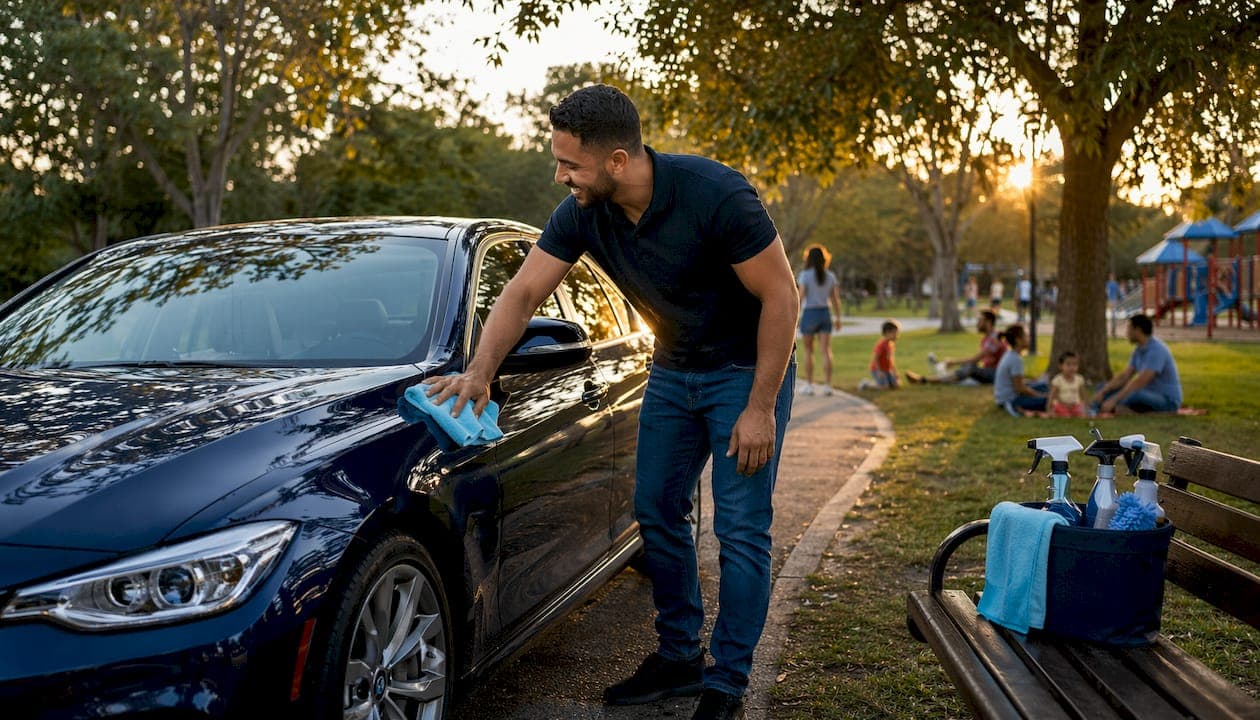
Keeping your car clean between details is defined as the practice of regular, low-effort upkeep that preserves the results of a professional detailing session. Without consistent maintenance, environmental hazards like bird droppings, UV exposure, road salt, and airborne contaminants begin degrading your paint and interior within days. The good news is that weekly light maintenance takes just 20–40 minutes and prevents grime from bonding to surfaces. Living Waters Auto Wash LLC serves car owners across Boca Raton, Pompano Beach, Coral Springs, and Parkland who want professional results that last longer between appointments.
How to keep your car clean between details
The right tools make the difference between a 10-minute touch-up and a two-hour struggle. Stocking a small kit in your trunk or garage means you can act fast when a contaminant lands on your paint or a coffee spills on your seat.
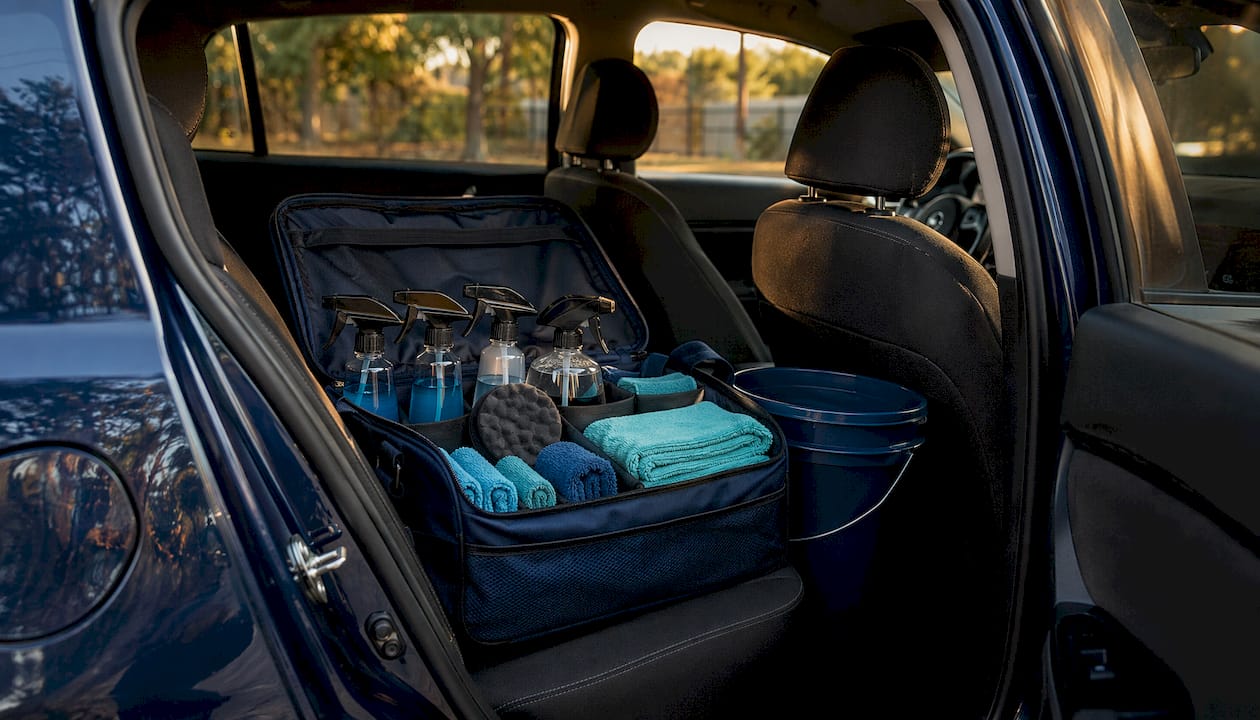
| Tool | Purpose | Frequency |
|---|---|---|
| Microfiber towels | Wiping surfaces without scratching | Every use |
| Quick detailer spray | Light cleaning and gloss between washes | Weekly |
| Spray sealant | Protective layer over wax or coating | Monthly |
| Wheel cleaner | Removing brake dust and road grime | Every wash |
| Leather conditioner | Preventing cracking and drying | Bi-weekly |
| UV protectant | Shielding trim and dash from sun damage | Every 2–3 months |
| Trash bags or bin | Controlling interior clutter | Ongoing |
Spray sealants and quick detailers last 3–6 months and create a sacrificial layer that repels contaminants and makes future washes faster. That means every product application you do between appointments is also protecting the professional wax or ceramic coating underneath.
Pro Tip: Separate your microfiber towels by color or label them by function. Use one set for glass, one for paint, and one for interior surfaces. Cross-contamination transfers grease and grit where you the least want it.
How do you wash your car safely between full details?
Safe washing between professional appointments comes down to technique, not just frequency. The wrong method strips wax, creates swirl marks, and undoes the work your detailer put in.
Use the two-bucket method every time
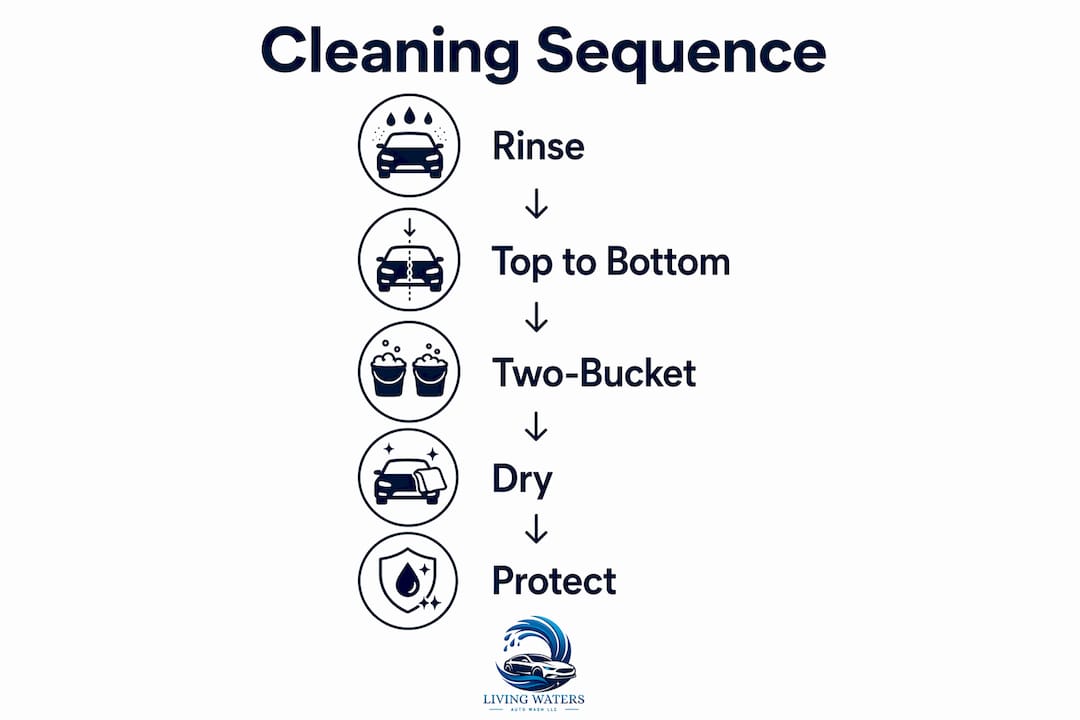
The two-bucket method is the single most effective technique for preventing swirl marks during a hand wash. One bucket holds pH-balanced automotive shampoo, and the other holds clean rinse water for your wash mitt. After each panel, you rinse the mitt in the second bucket before reloading it with soap. This keeps grit out of your soapy water so you never drag abrasive particles across your paint.
Follow the right washing sequence
- Pre-rinse the entire car with a hose to loosen surface dirt before touching it.
- Wash from the roof down, moving to the hood, trunk, and doors in sequence.
- Clean the lower panels and rocker panels last, since they carry the most grime.
- Wash the wheels separately at the very end to avoid spreading brake dust to clean paint.
- Dry immediately with a clean microfiber drying towel using a patting motion, not a dragging one.
Washing sequence matters because starting at the top prevents dirty water from running over already-cleaned panels. Skipping this step is one of the most common reasons car owners end up with streaks and water spots.
How often should you wash based on your climate?
Full wash frequency varies by climate: salt-belt cars need washing every 7–14 days, coastal cars every 14–21 days, and arid-climate cars every 28–35 days using rinseless methods. Salt exposure demands more frequent undercarriage rinses to prevent corrosion, which is a detail most car owners skip entirely.
Automated car washes with spinning brushes drag grit across your paint and destroy wax layers with every cycle. Hand washing with a pH-balanced automotive shampoo is the only method that consistently preserves paint integrity between professional details.
Pro Tip: Wash your car in the shade or during the early morning. Direct sunlight dries soap and water before you can rinse it off, leaving water spots and soap residue that require extra work to remove.
How do you spot-clean contaminants between washes?
Spot cleaning is the most underused car maintenance habit. Most car owners wait for their next full wash, not realizing that acidic contaminants like bird droppings and tree sap cause clear coat etching within 24–48 hours under direct sunlight. Acting fast costs you two minutes. Waiting costs you your paint correction.
Here is how to handle the most common contaminants safely:
- Bird droppings: Soak a clean microfiber cloth with water and lay it over the spot for 30 seconds to soften the deposit. Gently lift, never rub. Follow with a quick detailer spray to restore the protective layer.
- Tree sap: Apply a small amount of rubbing alcohol to a microfiber cloth and press it against the sap for 15–20 seconds. The alcohol dissolves the bond without harming clear coat when used sparingly.
- Bug splatter: Use a dedicated bug remover spray or a damp microfiber cloth. Bugs contain proteins that harden quickly, so address them within the first day.
- Water spots: Mix equal parts white vinegar and water, apply to the spot with a microfiber cloth, and wipe gently. Rinse with clean water immediately after.
- Road tar: A small amount of mineral spirits on a cloth removes tar without scratching. Always follow with a quick detailer spray to restore protection.
Keeping a small kit in your glove box or trunk, including a spray bottle of quick detailer, two clean microfiber cloths, and a small bottle of rubbing alcohol, means you can address any of these situations in a parking lot before the damage sets in. Softening contaminants with a wet cloth before wiping is the key step most car owners skip, and it is the step that prevents grinding grit into the clear coat.
How do you maintain your car's interior between details?
Interior maintenance protects your upholstery, improves air quality, and prevents the kind of embedded dirt that requires intensive cleaning to remove. Interior dust and debris degrade surfaces over time, and weekly attention keeps that process from accelerating.
Focus on these habits to maintain car cleanliness inside:
- Vacuum weekly, paying close attention to carpets, under the seats, and seat crevices where crumbs and debris collect. A small handheld vacuum stored in the garage makes this a two-minute task.
- Wipe high-touch surfaces like the steering wheel, gear shift, door handles, and center console with a microfiber cloth and a mild interior cleaner. These areas accumulate oils and bacteria faster than any other surface.
- Condition leather seats bi-weekly by wiping them down with a clean cloth first, then applying a dedicated leather conditioner. Dry leather cracks and fades, and conditioning prevents that from happening between professional treatments.
- Avoid greasy dashboard products. Silicone-based sprays leave a film that attracts dust and creates glare on your windshield. Use a dry or lightly damp microfiber cloth instead.
- Neutralize odors with baking soda rather than covering them with air fresheners. Sprinkle baking soda on carpets and fabric seats, let it sit for 15 minutes, then vacuum it up. Air fresheners mask odors; baking soda eliminates them.
- Replace your cabin air filter every 12,000–15,000 miles or once a year. A clogged filter circulates dust and allergens through your interior, undoing the air quality benefits of professional interior detailing.
Leather care and interior surface protection are areas where the right product matters as much as the right technique. Avoid anything labeled as an "all-purpose cleaner" on leather, since most contain solvents that strip the protective coating over time.
Key Takeaways
Consistent, low-effort maintenance between professional detailing sessions is the most effective way to protect your vehicle's paint, trim, and interior from long-term damage.
| Point | Details |
|---|---|
| Weekly upkeep prevents damage | Light tasks taking 20–40 minutes stop grime from bonding and protect your detailing investment. |
| Two-bucket method protects paint | Separating soap and rinse water keeps grit off your paint and prevents swirl marks during every wash. |
| Act within 24–48 hours on contaminants | Bird droppings and sap etch clear coat fast. Spot clean immediately to avoid permanent damage. |
| Interior care extends surface life | Weekly vacuuming, leather conditioning, and cabin filter replacement preserve upholstery and air quality. |
| Spray sealants extend protection | Applying a spray sealant monthly adds a sacrificial layer that shields professional wax or coatings. |
What I have learned from years of detailing cars
Most car owners think the goal between details is to keep the car looking clean. The real goal is to keep the car from getting damaged. Those are two different things, and the distinction changes how you approach maintenance entirely.
The biggest mistake I see is car owners skipping trim care. Plastic and rubber trims degrade under UV exposure without protection, and once they go chalky and faded, restoration is difficult and expensive. A UV protectant applied every few months costs almost nothing and takes five minutes. Ignoring it costs you a trim replacement or a labor-intensive restoration job.
The second mistake is treating maintenance as an all-or-nothing task. You do not need to do a full wash every week. A quick detailer spray and a microfiber wipe-down after work takes less time than making coffee. Consistent low-effort habits beat infrequent deep cleans every time when it comes to preserving paint and materials.
Build a routine that fits your actual schedule. If you drive in a salt-belt area, a rinse every week is non-negotiable. If you park in a garage in a dry climate, a rinseless wash every three weeks and a quick interior wipe-down is enough. The routine that you actually follow is better than the perfect routine you skip. For a clear picture of how often to detail based on your driving habits, that question has a more specific answer than most people expect.
— Living
Professional support for your maintenance routine
Car owners in South Florida deal with UV intensity, salt air, and humidity that accelerate paint and trim degradation faster than most climates. DIY maintenance handles the day-to-day, but professional support fills the gaps that microfiber towels and quick detailers cannot.

Living Waters Auto Wash LLC brings fully mobile detailing directly to your location across Boca Raton, Pompano Beach, Coral Springs, and Parkland, with no water or electricity hookups required. Their trained team handles everything from express interior sessions to full exterior treatments, making it straightforward to schedule a professional reset between your own maintenance efforts. For fleet owners and multi-vehicle households, their fleet wash services cover Palm Beach County with the same attention to detail that individual customers rely on. Scheduling a professional session every few months keeps your DIY routine working at its best.
FAQ
How often should I wash my car between details?
Wash frequency depends on your climate. Salt-belt cars need washing every 7–14 days, coastal cars every 14–21 days, and arid-climate cars every 28–35 days.
What is the two-bucket method and why does it matter?
The two-bucket method uses one bucket for soapy water and one for rinsing your wash mitt. It keeps grit out of your soap and prevents swirl marks from forming on your paint.
How quickly do bird droppings damage car paint?
Bird droppings can etch your clear coat within 24–48 hours under direct sunlight. Remove them immediately using a wet microfiber cloth to soften the deposit before wiping.
What is the best way to keep car interior clean between details?
Vacuum weekly, wipe high-touch surfaces with a microfiber cloth and mild cleaner, and condition leather bi-weekly. Replace your cabin air filter annually to maintain air quality.
Do spray sealants actually protect paint between professional details?
Spray sealants last 3–6 months and create a protective layer over your existing wax or ceramic coating. They repel contaminants and make each wash faster and safer for your paint.