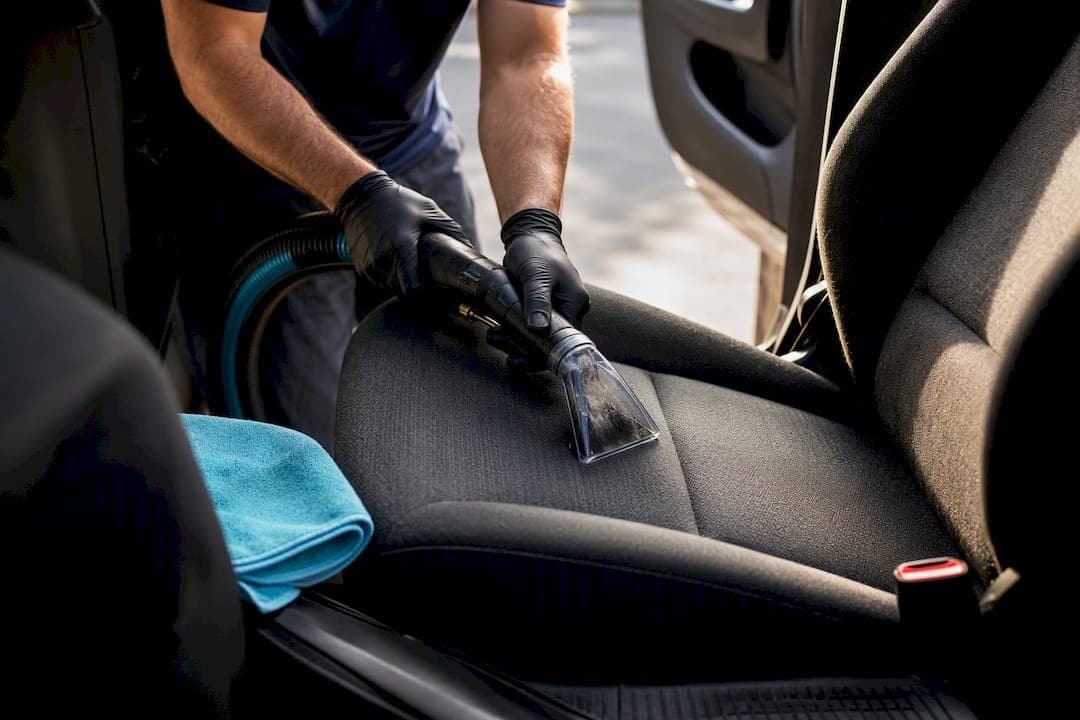
Yes, a targeted lease-return detail pays for itself in most cases, but only when the timing and scope are right. Book it after your pre-inspection, within a week of turn-in, and aim the money at cosmetic issues like stains, odors, and swirl marks rather than dents or cracked glass, which detailing can't fix. Interior extraction and odor removal alone often cost less than what dealers charge for the same items on the final invoice.
TL;DR:
- A pre-inspection report helps identify specific cosmetic issues to target with detailing, reducing the risk of inflated charges and unnecessary repairs.
- Interior detailing focused on stain and odor removal is usually cheaper and more effective for lease return preparation than dealer reconditioning fees.
- Schedule the final detail within a week of turn-in and document all damage with photos to dispute potential charges confidently.
- For those on a tight schedule, mobile detailing offers quick, on-site services that cover key cosmetic items and avoid shop visits.
- Structural damages like dents, cracks, or tears cannot be fixed through detailing and require specialized repair services.
Table of Contents
- What Do Lease Inspectors Actually Check At Turn-In?
- What's Included In A Lease-Return Detail?
- When Should You Schedule Your Pre-Inspection And Detail?
- Is Detailing Cheaper Than Dealer Reconditioning Fees?
- Your Turn-In Checklist: Step By Step
- Why A Mobile Detailer Makes Lease Returns Easier
- Common Lease Return Scams And Inspection Pitfalls
- DIY Detailing Tips If You're Working With A Tight Budget
- Why Detailing Changes How Inspectors See Your Car
- How To Pick A Lease-Return Detailer You Can Trust
- What Actually Happens When Lessees Skip The Pre-Inspection
- Book Your Lease-Return Detail With Living Waters Auto Wash LLC
- Sources
- FAQ
What Do Lease Inspectors Actually Check At Turn-In?
Lease inspectors work from a standardized checklist, and most of it is cosmetic rather than mechanical. Knowing what's on that list tells you exactly where to spend your detailing budget instead of guessing.
On the exterior, they're looking for dents, paint chips, scratches, swirl marks, curbed wheels, worn tires, and glass damage. Many inspectors apply a size-based rule of thumb, sometimes called the credit-card rule, where a dent or chip smaller than a credit card is treated as normal wear and anything bigger gets flagged for a charge, according to Logan's Auto Detailing.
Inside the cabin, inspectors check for stains on seats and carpet, lingering odors, a sagging or stained headliner, burns or tears in upholstery, and missing accessories like floor mats or the spare tire cover. They also verify mileage against your contract, confirm you have both sets of keys, and check for service records.
- Exterior: dents, chips, scratches, swirls, wheel curbing, tire tread, glass cracks
- Interior: stains, odors, headliner condition, tears or burns, missing accessories
- Administrative: mileage overage, missing keys, service history
Cosmetic items are almost always negotiable with detailing or minor repair. Structural items, like a cracked windshield or a bent panel, are not.
What's Included In A Lease-Return Detail?
A focused lease-return detail typically covers interior extraction and shampooing, steam cleaning, stain-specific solvent treatments, odor remediation, an exterior hand wash, tar and iron decontamination, a clay bar pass, wheel cleaning, and sometimes a light one-step polish to knock down swirl marks. This combination lines up almost perfectly with what inspectors flag most.
- Interior: vacuum, hot-water extraction, steam cleaning, targeted stain removal, odor treatment
- Exterior: hand wash, decontamination wash, clay bar, wheel and tire cleaning, light polish
Odor is its own category. Smoke and pet smells usually need an enzyme treatment or ozone/thermal fogging to neutralize the source rather than just mask it, and many detailers list that as a separate service, per Logan's Auto Detailing. A deep interior clean that includes extraction is usually the right starting point for anyone dealing with pet hair or a lingering smoke smell.
Detailing has limits. It won't pull out a dent, stitch a tear, or fix cracked glass. Those need a paintless dent repair technician, an upholstery shop, or a glass repair service, and no amount of polishing changes that.
Pro Tip: If your cabin smells like anything other than "clean," fix that before you touch the paint. Smell tends to trigger closer scrutiny from an inspector than a minor swirl mark ever will.
When Should You Schedule Your Pre-Inspection And Detail?
Order matters here more than most lessees realize. Get the lessor's pre-inspection first, since it lists the specific items likely to trigger charges and gives you a real roadmap instead of a guess, according to Beach Automotive.
- Schedule the pre-inspection several weeks before your lease ends.
- Use that report to decide what needs repair versus what just needs cleaning.
- Book your detail shortly before turn-in to balance a clean presentation with time to address necessary repairs.
If you can't land an appointment in that window, book the closest available slot before turn-in rather than skipping it. Detailers recommend staying within a week of drop-off so the car looks its best for the inspector, per Jax Kar Wash.
Is Detailing Cheaper Than Dealer Reconditioning Fees?
Almost always, yes, when you're comparing a targeted detail against line-item dealer charges for the same cosmetic issues. Interior-only details tend to run in the low hundreds, exterior-only decontamination and polish sits in a similar range, and a combined package costs more but still typically undercuts what a dealer bills for reconditioning the same items, based on pricing patterns from Kelly Kleen Auto Detailing.
Dealer fees for the same problems often run higher because they're billed as separate reconditioning line items: interior odor removal, stain treatment, panel repainting, and wheel refinishing each carry their own charge.
Statistic Callout: A strategic detail booked after a pre-inspection commonly costs less than the equivalent dealer reconditioning charges for the same cosmetic items, based on published pricing comparisons from Kelly Kleen Auto Detailing.
The decision rule is simple: detail anything cosmetic that the lessor flags, and get professional repair quotes only for anything structural.
Your Turn-In Checklist: Step By Step
Work through this in order, and don't skip the photo documentation. It's your best defense if a charge shows up later that doesn't match what you saw at drop-off.
- Get the pre-inspection report and read it line by line.
- Prioritize items: cosmetic goes to a detailer, structural goes to a repair specialist.
- Book detailing services for the flagged cosmetic items.
- Schedule the final detail three to seven days before turn-in.
- Photograph everything before the return appointment.
- Bring the right items to your return appointment.
For photos, cover the odometer reading, the VIN plate, every existing scratch or ding (even small ones), all four tires, the full interior including seats and carpet, and any receipts for detailing or repair work. Photo documentation paired with saved receipts is the strongest tool you have for disputing an incorrect charge later, according to Beach Automotive.
- Photos: odometer, VIN, damage close-ups, full interior, receipts
- Bring: both key sets, owner's manual, floor mats, spare tire cover, service records
Expect the inspector to walk the exterior first, then check the interior, then verify your documents. Having everything photographed and organized before you arrive speeds that process up considerably.
Why A Mobile Detailer Makes Lease Returns Easier
A mobile detailer handles lease-return details with a fully mobile setup, meaning the crew comes to your driveway, condo lot, or office parking spot with everything needed, no water or electrical hookup required.
That matters more than it sounds for anyone in an apartment or condo, since there's often nowhere on-site to wash a car properly and no time to drive across town before a return deadline. A quick turnaround and a team trained in interior extraction and odor remediation means you can knock out the exact items a lease inspector cares about without losing a weekend to it. If your schedule is the real obstacle standing between you and turn-in day, mobile detailing solves the logistics part of the problem entirely.
Common Lease Return Scams And Inspection Pitfalls
The most common problem isn't outright fraud, it's inflated or vague charges that lessees have no easy way to dispute. Watch for a few recurring patterns.
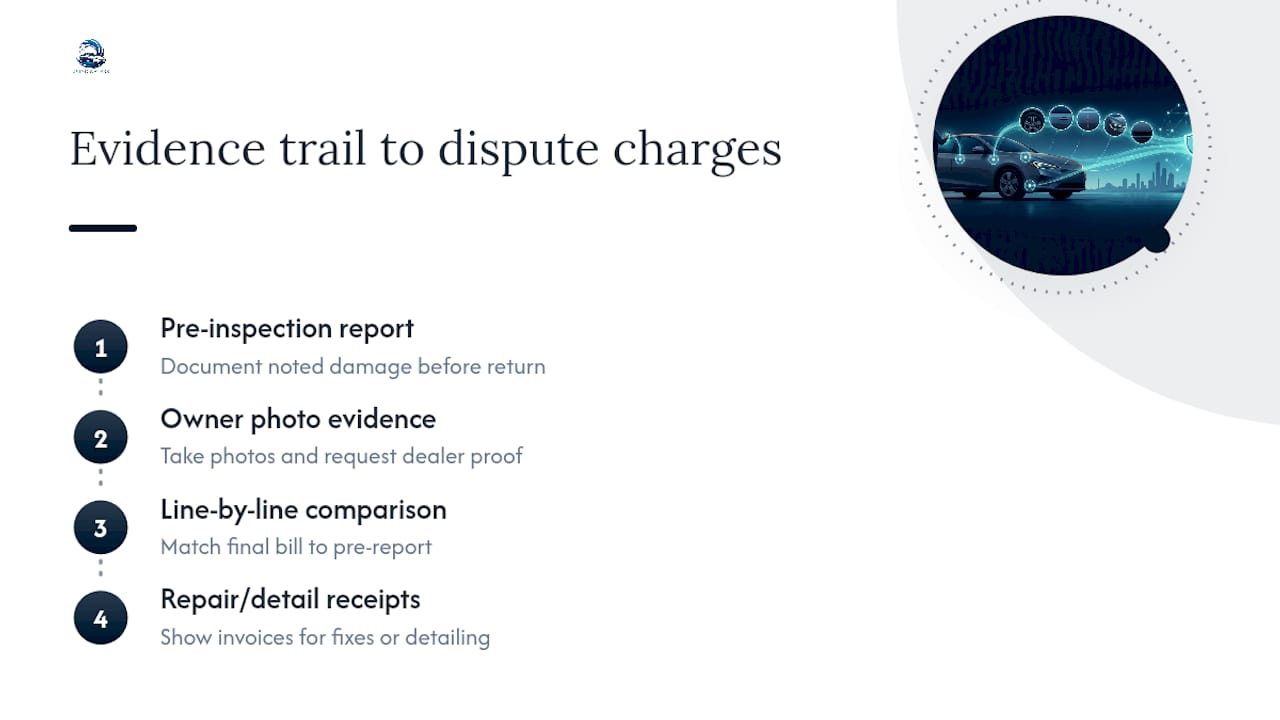
Vague line items. A charge for "excessive wear" with no photo backup and no reference to the pre-inspection report is hard to challenge and easy to inflate. Ask for photo evidence of any charge before you agree to pay it.
Double-billing for pre-existing damage. If your pre-inspection report noted a scratch and you didn't get it fixed, that item shouldn't reappear as a surprise charge months later at a higher price. Compare the final bill against the pre-inspection line by line.
Pressure to buy the vehicle to avoid fees. Some dealers push a buyout as the "easy way" to skip inspection charges entirely. That can make financial sense in specific situations, but it's a decision to make on the numbers, not under pressure at the return counter.
No opportunity to contest findings. A legitimate inspection process gives you a channel to dispute charges with evidence. If a location won't let you submit your own photos or push back on a line item, that's worth escalating to the leasing company directly rather than the local dealer.
Your best protection against all of these is the same thing: a pre-inspection report, your own photo documentation, and receipts for any detailing or repair work completed. Paper trail beats argument every time.
DIY Detailing Tips If You're Working With A Tight Budget
You can knock out a meaningful share of lease-return prep yourself if you're willing to put in the time. The interior is where DIY effort pays off fastest.
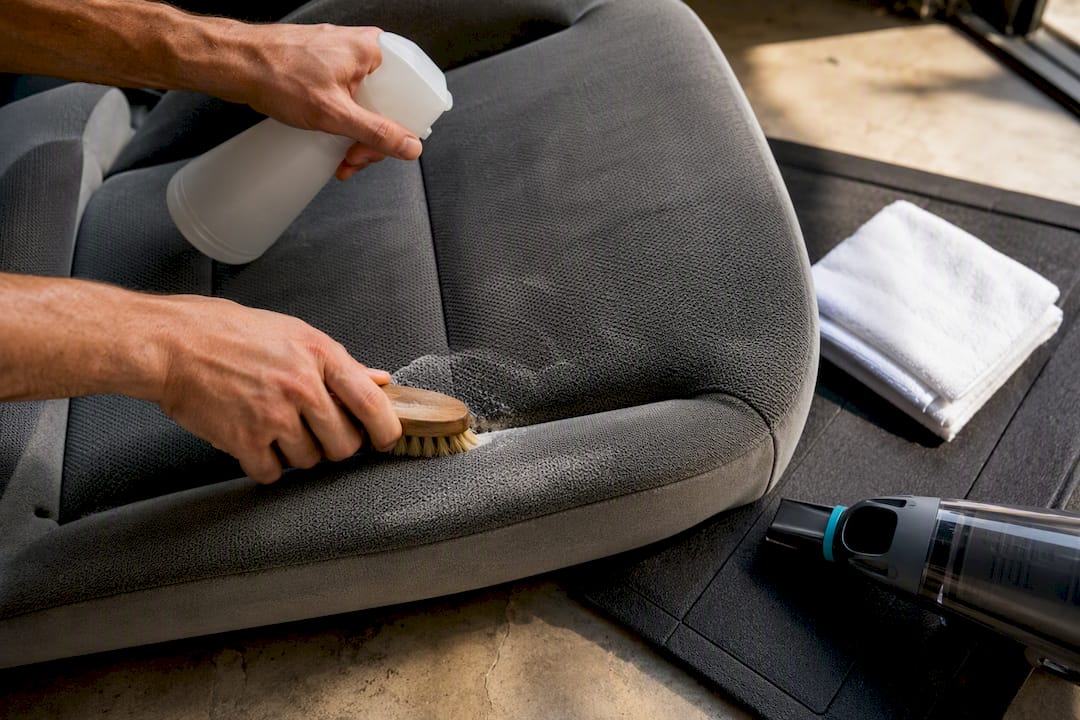
Start with a thorough vacuum, including under the seats and in the trunk, then move to spot-cleaning stains with a fabric-safe upholstery cleaner and a soft brush. Let stains sit with cleaner for a few minutes before scrubbing. For odors, an enzyme-based odor eliminator sprayed directly on cloth seats and carpet works better than air fresheners, which just mask the smell temporarily.
On the exterior, a two-bucket wash method, one bucket for soap and one for rinsing your wash mitt, cuts down on swirl marks compared to a single-bucket approach. Clay bar treatments are inexpensive and remove embedded contaminants that a regular wash won't touch, which helps with paint clarity before any inspection.
Where DIY falls short is deep odor removal and serious swirl correction. Ozone treatment and enzyme fogging need equipment most people don't own, and a proper one-step polish requires a dual-action polisher and some practice to avoid burning through clear coat. If your car has a persistent smoke or pet smell, or paint that looks genuinely dull and scratched rather than just dusty, that's the point where a professional detail becomes worth the money instead of a weekend project.
Why Detailing Changes How Inspectors See Your Car
A clean car doesn't just look better, it changes how carefully an inspector scrutinizes it. Marginal items, a faint scuff, a light watermark, a barely visible scratch, tend to get more benefit of the doubt on a car that's clearly been cared for than on one that's dusty and cluttered.
Part of this is practical. Dirt and grime hide damage, so a genuinely dirty car sometimes gets a more aggressive once-over simply because the inspector can't tell what's underneath the mess. Part of it is closer to psychology: a spotless, fresh-smelling interior signals a lessee who took care of the vehicle overall, and that impression carries into how strictly borderline items get judged.
The reverse is also true. A car with a lingering odor or visible stains invites more attention to everything else, including things that might otherwise pass. That's why odor and interior cleanliness tend to matter more to the outcome than a showroom-level exterior shine. Inspectors are trained to document condition, not to give anyone a pass, but a well-maintained impression still shapes how borderline calls get made.
This is the core logic behind spending detailing dollars on the cabin first. It's not just about removing individual stains, it's about controlling the first impression that colors everything else on the checklist.
How To Pick A Lease-Return Detailer You Can Trust
Not every detailer is set up to handle lease-return work specifically, so it helps to ask a few pointed questions before booking.
Ask whether they've done lease-return details before and whether they understand what leasing companies typically flag. A detailer familiar with the process will ask if you have a pre-inspection report and use it to scope the job, rather than just running a generic package.
Ask what odor remediation method they use for smoke or pet smells. Enzyme treatment or ozone are the legitimate options; if a shop's answer is "we'll spray some air freshener," that's a red flag for anything beyond a mild smell.
Ask for a written breakdown of what's included so you can match it against your pre-inspection items. A vague quote for "full detail" without specifics makes it hard to know if odor treatment or paint correction is actually covered.
Watch for red flags: no clear pricing, no willingness to look at your pre-inspection report, or pressure to buy add-ons you didn't ask for. A reputable detailer works from your actual needs, not a fixed upsell script.
Mobile availability matters too if your schedule is tight before turn-in. A fleet-tested detailing process applied to a single vehicle usually means a detailer who's efficient under time pressure, which is exactly what a lease deadline demands.
What Actually Happens When Lessees Skip The Pre-Inspection
Skipping the pre-inspection is the single most common mistake we see cost people money. Detailing removes the cosmetic charges, not the structural ones, and lessees who guess at what to fix often spend on the wrong things or miss something obvious.
The typical outcome for someone who does this in order, pre-inspection first, then a targeted detail, is a final bill noticeably smaller than what a dealer's reconditioning invoice would have shown for the same car. That gap is usually the difference between paying once for cleaning and paying twice, once for the dealer's line items and once for the detail you should have booked instead. Get the report before you spend a dollar on anything else.
— Living
Book Your Lease-Return Detail With Living Waters Auto Wash LLC
Living Waters Auto Wash LLC comes to you, whether that's a condo parking garage in Boca Raton or an office lot in Coral Springs, so there's no scheduling around a shop's hours or losing half a day to a drop-off and pickup.
If your pre-inspection flagged interior stains or odor, ask for the interior extraction and odor remediation package. If the paint shows swirl marks or light scratching, add exterior decontamination and a one-step polish to the booking. Mention your lessor's pre-inspection report when you book, so the team can target the exact items on that list instead of running a blanket service. For anyone on a tighter budget, the $199 full interior deep clean covers the cabin work that matters most for turn-in.
Turnaround is quick enough to fit into the three-to-seven-day window before your return appointment, and the team documents the services performed so you have something to show alongside your pre-inspection report if a charge gets disputed later. Book your appointment and get your car ready before the leasing company sees it.
Sources
- How to Prepare for a Car Lease Return: A Step-by-Step Guide
- Lease Return Detailing in Los Angeles: What It Prevents Being Charged For (and What It Won't)
- Lease-Return Detailing Checklist: Avoid Extra Fees with Pro Prep
Always check your own lease contract and wear-and-use guide first, since terms vary by leasing company.
FAQ
How Clean Does A Leased Car Need To Be At Turn-In?
It needs to be free of stains, odors, and visible grime that could hide or suggest damage, since a clean cabin and exterior tend to get more benefit of the doubt on borderline cosmetic items.
What Is The 1.5 Rule When Leasing A Car?
Definitions vary by leasing company, and this isn't a universal industry standard, so check your specific contract or ask your leasing company directly rather than relying on a general rule.
Is Buying A Lease Return Car A Good Idea?
It depends entirely on the buyout price versus the car's market value and condition, which is a financial comparison specific to your contract, not something a general rule can answer.
Can Detailing Remove A Cracked Windshield Or Dent Charge?
No. Detailing addresses cosmetic issues like stains, odors, and swirl marks, but structural damage like cracked glass or dents requires a specialist repair, not a detail.
How Soon Before Turn-In Should I Book A Detail?
Aim for three to seven days before your return appointment, ideally after you've received your lessor's pre-inspection report so you know exactly what to prioritize.