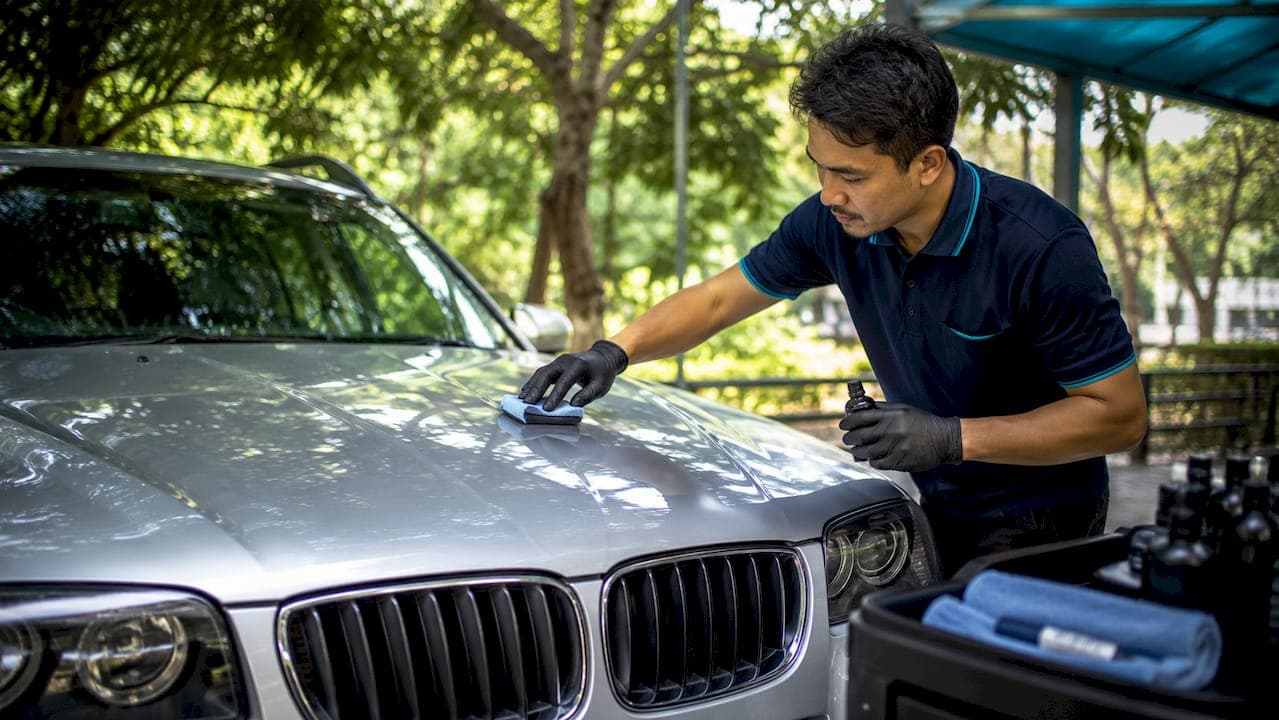
UV protection in car detailing is the process of shielding a vehicle's exterior and interior surfaces from harmful ultraviolet rays to prevent fading, oxidation, and material degradation. The role of UV protection in detailing goes far beyond aesthetics. Without it, clear coats fail, plastics crack, and leather fades into a shadow of its original condition. Methods like Paint Protection Film (PPF), ceramic coatings, and synthetic sealants each address UV damage differently, and choosing the right one depends on your climate, budget, and how long you plan to keep the vehicle. Living Waters Auto Wash LLC applies these techniques daily across South Florida, where UV exposure ranks among the most intense in the country.
How UV rays damage automotive surfaces
UV radiation splits into two categories that both attack your vehicle. UV-A rays penetrate deeply into the clear coat and paint layers, breaking molecular bonds and triggering oxidation. UV-B rays hit the surface more aggressively, causing faster color fading and surface chalking. Together, they break molecular bonds in the clear coat, leading to oxidation, peeling, and a chalky, dull finish. Dark-colored vehicles and those parked outdoors in high-UV regions suffer the most accelerated damage.
The visible signs of UV damage follow a predictable pattern:
- Oxidation: The clear coat turns hazy or milky as UV rays degrade the polymer chains protecting the paint.
- Fading: Pigments in the paint layer lose their vibrancy, especially on red, black, and dark blue finishes.
- Chalking: The surface develops a powdery texture as the clear coat breaks down completely.
- Cracking: Plastics and rubber seals shrink and crack after prolonged UV exposure without protection.
- Interior damage: Dashboards warp, leather dries out and splits, and fabric upholstery loses its color.
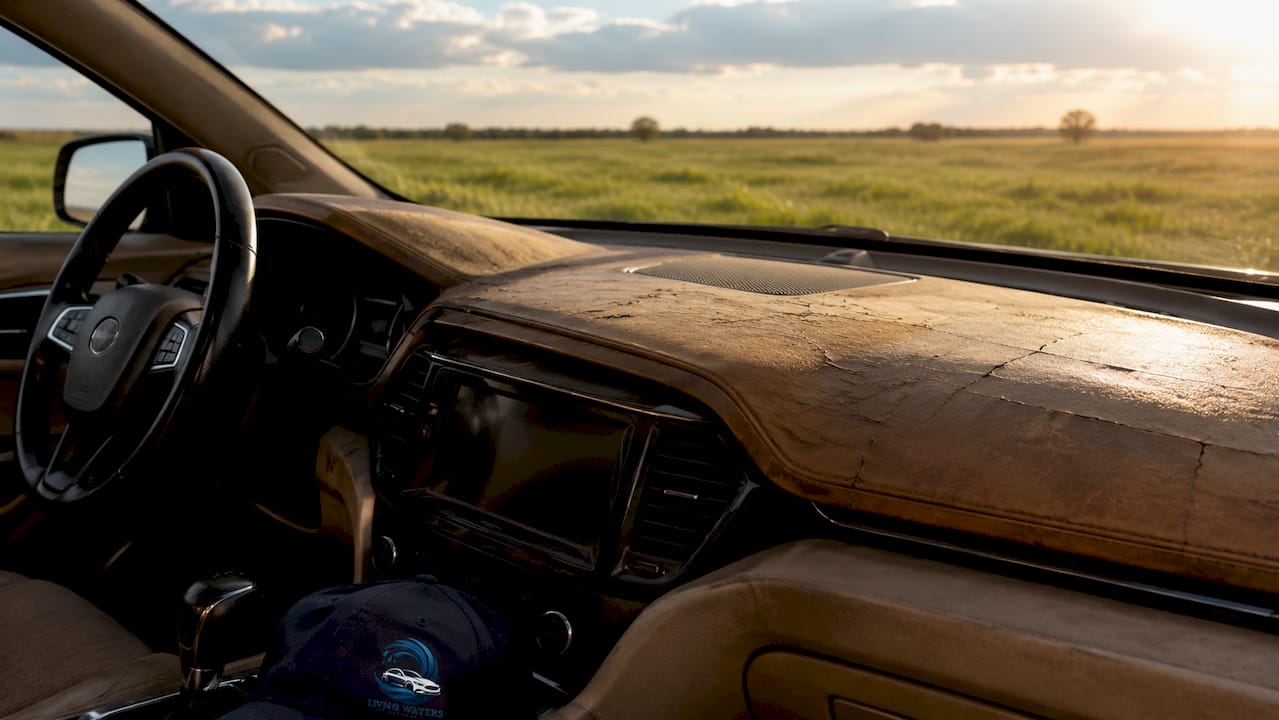
Interior surfaces take a quieter but equally serious hit. A dashboard left unprotected in direct sunlight can crack within a few years in high-UV climates like Florida or Arizona. Leather seats fade and stiffen, making them brittle and prone to tearing. The financial cost of replacing these components far exceeds the cost of consistent UV protection.
What UV protection methods work best in detailing?
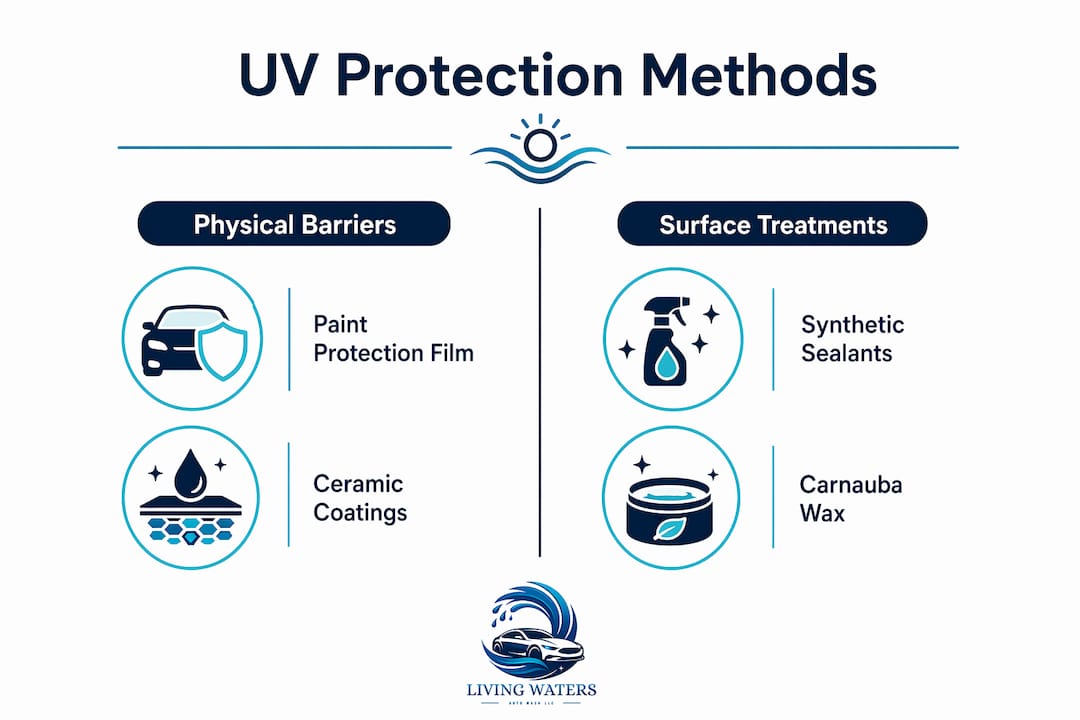
The detailing industry uses four main categories of UV protection, each with a different mechanism, durability, and price point.
Waxes and synthetic sealants act as sacrificial barriers. They sit on top of the clear coat and absorb UV rays before they reach the paint. Traditional carnauba wax lasts 4–8 weeks. Synthetic sealants last 3–6 months and cost $20–$80 per application. They are the most accessible entry point for UV protection but require the most frequent reapplication.
Ceramic coatings represent a significant step up. They form covalent silicon-oxygen bonds that resist UV-B radiation, which breaks down the carbon chains in traditional waxes. This chemical bonding makes ceramic coatings far more durable as UV barriers. 9H-rated ceramic coatings block 88–94% of UV-A and UV-B radiation and extend clear coat life by 30–50% in high-UV climates. They last 1–2 years with proper maintenance.
Paint Protection Film (PPF) is the most complete physical barrier available. PPF blocks over 99% of UV rays and adds protection against rock chips and scratches that ceramic coatings cannot stop. A professionally applied PPF combined with a full-vehicle ceramic coating delivers the ultimate UV defense, combining chemical and physical protection in one system.
| Method | UV blockage | Durability | Cost range |
|---|---|---|---|
| Carnauba wax | Low | 4–8 weeks | $20–$40 |
| Synthetic sealant | Moderate | 3–6 months | $30–$80 |
| Ceramic coating (9H) | 88–94% | 1–2 years | $500–$1,500+ |
| Paint Protection Film | 99%+ | 5–10 years | $1,500–$6,000+ |
Pro Tip: Never apply a ceramic coating or PPF over an uncorrected surface. Applying protective coatings over surface contaminants or swirl marks locks those defects beneath the coating, and correcting them later requires a full strip and reapplication.
How to maintain UV protection between detailing appointments
Surface preparation is the foundation of any UV protection routine. Before applying any protective product, the paint must be clean, decontaminated, and free of swirl marks. Skipping this step means you are sealing in damage rather than protecting against future damage.
A practical maintenance routine looks like this:
- Wash every 1–2 weeks. Regular washing removes UV-accelerating contaminants like bird droppings, tree sap, and industrial fallout that degrade protective coatings faster.
- Apply a UV-inhibitor spray monthly. These sprays top up the sacrificial layer on sealants and ceramic coatings, extending their effective lifespan between full reapplications.
- Reapply sealant every 3–6 months. A multi-layered defense with synthetic sealants supplemented by monthly UV-inhibitor sprays keeps paint protected year-round.
- Schedule ceramic coating maintenance annually. A professional inspection and maintenance coat keeps the coating's UV-blocking properties at peak performance.
- Use covered parking whenever possible. Physical shade reduces UV exposure by hours each day, which compounds into significant protection over a vehicle's lifetime.
- Apply tire and trim UV protectants monthly. Rubber and plastic components need dedicated UV protectants, with monthly application recommended in high-sun climates. Products in the $30–$50 range cover tires, door seals, and plastic trim effectively.
Pro Tip: Think of UV protection like sunscreen for your car. Detailers compare vehicle paint maintenance to skincare because protection is a continuous cycle. Neglect accelerates clear coat failure just as skipping sunscreen accelerates skin damage.
Why interior UV protection matters more than most owners realize
Interior UV damage is the most underestimated threat in car care. Most owners focus on exterior paint and ignore the cabin, where UV rays enter through glass every single day. Dashboards, door panels, leather seats, and fabric upholstery all absorb UV radiation continuously.
The consequences are costly:
- Dashboard cracking: Plastic dashboards in unprotected vehicles can crack and warp within 3–5 years in high-UV climates.
- Leather fading and splitting: UV rays dry out leather's natural oils, causing it to stiffen, fade, and eventually crack.
- Fabric discoloration: Upholstery fades unevenly, with sun-facing surfaces losing color faster than shaded areas.
- Rubber seal degradation: Door and window seals shrink and crack, leading to water leaks and wind noise.
Dedicated UV protectants applied to interior plastics, leather, and trim prevent premature replacement of these components. Windshield sunshades block a significant portion of UV rays from entering the cabin when the vehicle is parked. Interior UV protection also directly affects resale value. A cabin with cracked plastics and faded leather signals neglect to buyers and drops the vehicle's market price noticeably. Consistent interior care, as outlined in a proper interior detailing guide, protects both the vehicle and its long-term value.
Industry experts note that neglected interiors suffer UV damage silently, leading to costly replacements that consistent protectant application would have prevented entirely.
How Living Waters Auto Wash LLC integrates UV protection into every service
Professional detailing services approach UV protection as a system, not a single product. Living Waters Auto Wash LLC builds multi-layer protection strategies into their service packages, starting with thorough surface decontamination before any protective product touches the paint. This preparation step is what separates professional results from DIY applications.
Their mobile detailing services across Boca Raton, Pompano Beach, Coral Springs, and Parkland include ceramic coating applications, UV-inhibitor spray treatments, and interior UV protectant services. The mobile format means the work happens at your location, eliminating the scheduling friction of traditional shops. Every service uses paint-safe detailing products that protect the clear coat while delivering UV-blocking benefits.
The eco-conscious approach Living Waters Auto Wash LLC uses also matters for UV protection outcomes. Waterless and low-water wash methods avoid the micro-scratching that traditional brush washes introduce, keeping the protective coating intact between appointments. A compromised coating loses UV-blocking effectiveness faster than an undamaged one.
Key Takeaways
UV protection is the single most important factor in preserving a vehicle's paint, interior, and resale value over its lifetime.
| Point | Details |
|---|---|
| UV damage is cumulative | UV-A and UV-B rays break down clear coat and interior materials every day without visible warning. |
| Ceramic coatings lead in UV blocking | 9H-rated coatings block 88–94% of UV radiation and extend clear coat life by 30–50% in high-UV climates. |
| PPF offers the highest protection | Paint Protection Film blocks 99%+ of UV rays and adds physical defense against chips and scratches. |
| Interior protection is non-negotiable | Monthly UV protectant application on dashboards, leather, and trim prevents costly replacements. |
| Maintenance determines effectiveness | UV protection requires consistent reapplication and upkeep. A single application is never permanent. |
What I've learned from watching UV damage happen in real time
Working in South Florida means seeing UV damage at its most aggressive. I've watched vehicles go from showroom condition to chalky, oxidized paint in under three years because the owner assumed a single wax job would hold. That assumption is the most expensive mistake a car owner can make.
The cars that hold their finish longest share one thing: their owners treat UV protection as a recurring maintenance item, not a one-time fix. Ceramic coatings are exceptional, but they still need annual inspection and a maintenance coat to perform at their rated UV-blocking level. PPF is the closest thing to a permanent solution, but even film needs proper washing and occasional sealant application on top.
The other misconception I see constantly is that darker cars need less protection because the fading is less visible. The opposite is true. Dark pigments absorb more UV energy, which accelerates oxidation in the clear coat even when the color change is subtle. By the time a black or dark blue car looks visibly faded, the clear coat is already severely compromised.
My advice: match your protection level to your climate and parking situation. If you park outdoors in Florida, a ceramic coating is the minimum investment worth making. If you want true long-term protection, PPF plus ceramic coating is the combination that actually delivers.
— Living
Mobile UV protection services that come to you
Living Waters Auto Wash LLC brings professional UV protection treatments directly to your driveway across Boca Raton, Pompano Beach, Coral Springs, Parkland, and Palm Beach County. No drop-off. No waiting room. Just expert detailing at your location.
Their service packages include ceramic coating applications, interior UV protectant treatments, and full exterior protection routines built around your vehicle's specific needs. The team arrives fully equipped, with no electricity or water hookup required. Five-star reviews across South Florida reflect the quality of results their clients see. Book your mobile detailing service and get the UV protection your vehicle needs before the sun does the damage for you.
FAQ
What is UV protection in car detailing?
UV protection in car detailing refers to products and techniques that block ultraviolet radiation from degrading a vehicle's paint, clear coat, plastics, and interior materials. Methods include ceramic coatings, Paint Protection Film, synthetic sealants, and UV-inhibitor sprays.
How often should UV protection be reapplied?
Synthetic sealants need reapplication every 3–6 months, while ceramic coatings last 1–2 years with annual maintenance. Monthly UV-inhibitor spray top-ups extend the effectiveness of any base protection layer.
Does UV damage affect car interiors?
UV rays crack dashboards, fade leather, and degrade rubber seals over time. Monthly application of dedicated interior UV protectants and the use of windshield sunshades significantly slows this damage.
Is ceramic coating or PPF better for UV protection?
PPF blocks over 99% of UV rays and adds physical protection against rock chips, making it the stronger UV barrier. Ceramic coatings block 88–94% of UV radiation and excel at chemical resistance. Combining both delivers the highest level of protection available.
Why does UV protection matter for resale value?
Vehicles with intact paint, clear coat, and undamaged interiors command higher resale prices. UV damage signals neglect to buyers and directly reduces market value, making consistent UV protection one of the highest-return investments in vehicle ownership.