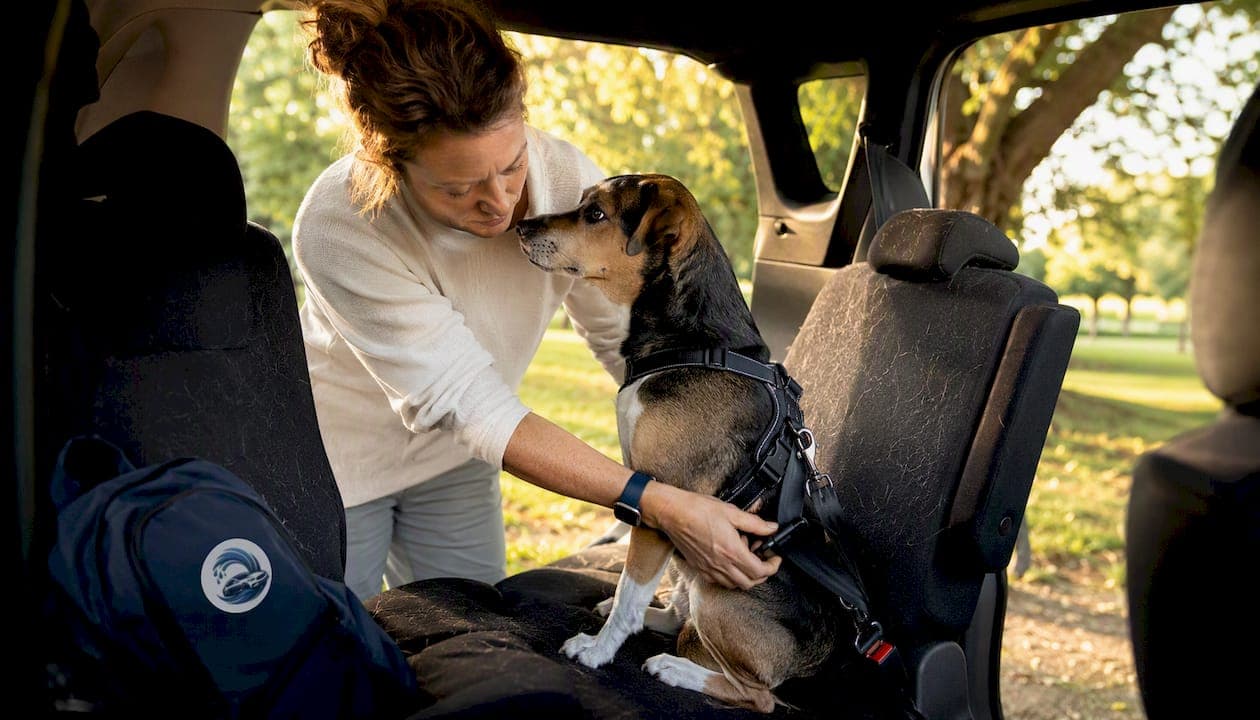
The best practices for pet owner car care come down to three things: secure your pet before you move, protect the upholstery before it gets dirty, and clean up immediately after every trip. The AVMA recommends crash-tested harnesses or secured crates for every ride. The CDC warns that parked-car temperatures can spike to dangerous levels within minutes, even with windows cracked. Living Waters Auto Wash LLC handles the deep work when DIY isn't enough.
Before the trip:
- Confirm your pet's restraint fits snugly and anchors to the seat-belt system
- Lay down a waterproof seat cover or cargo liner
- Feed your pet a small meal a few hours before departure and pack water for regular breaks
- Carry vaccine records, ID tags, and any prescribed medications
During the trip:
- Never leave your pet alone in a parked car
- Make frequent stops for water and bathroom breaks
- Keep windows cracked for airflow but use sunshades to block direct heat
After the trip:
- Remove loose hair with a rubber grooming glove before vacuuming
- Treat any organic stains immediately with a bio-enzymatic cleaner
- Air out the cabin and wipe down hard surfaces
When hair is deeply embedded, odors persist after cleaning, or stains have soaked into the padding, skip the DIY and call a professional detailer.
Table of Contents
- Why restraint is the most important pet travel safety decision you'll make
- How to prepare your pet for travel weeks before the trip
- How to set up your car before every pet trip
- How to clean pet hair, stains, and odors from your car
- When should you call a professional detailer?
- What to do if your pet overheats or is injured in the car
- A practical maintenance schedule for pet-friendly vehicles
- Key Takeaways
- The trade-off most pet owners get wrong
- Living Waters Auto Wash LLC brings pet-friendly detailing to your door
- Useful sources and further reading
Why restraint is the most important pet travel safety decision you'll make
Unrestrained pets are a genuine crash risk, not just a distraction. AVMA guidance is direct: even a calm dog becomes a dangerous projectile during a sudden stop. A moderately sized dog in a collision generates a force equivalent to a very heavy object, illustrating the serious risk unrestrained pets pose in crashes. Front-seat travel adds airbag deployment to that equation, which is why experts consistently advise keeping pets in the back.
| Restraint Type | Safety Level | Best For | Key Limitation |
|---|---|---|---|
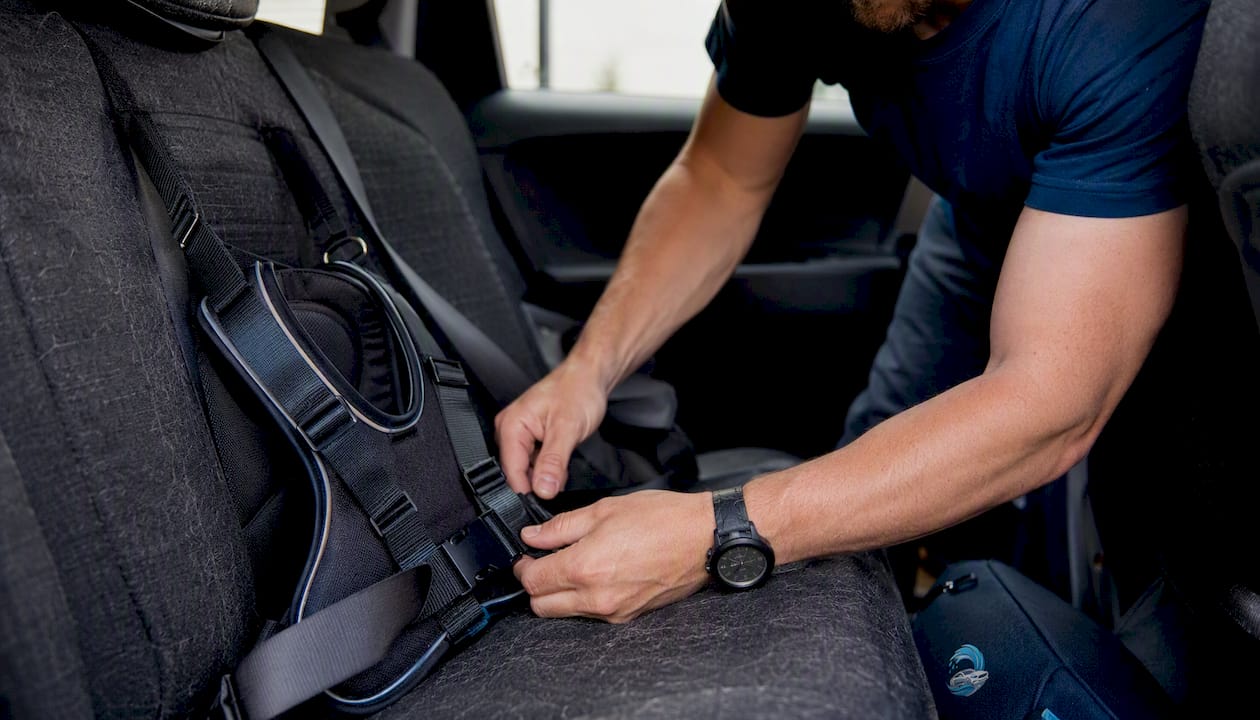
| Crash-tested harness + seat-belt tether | High | Dogs of most sizes | Must be crash-rated, not just "car harness" labeled |
| Secured hard-sided crate | High | Cats, small dogs, anxious pets | Requires anchor points or cargo net |
| Cargo barrier | Moderate | Large dogs in SUVs/wagons | Does not protect pet in a frontal collision |
| Seat-belt tether only (no harness) | Low | Short trips, calm dogs | Neck/spine injury risk without a proper harness |
Some states have laws restricting unrestrained animals in vehicles. Washington State, for example, prohibits transporting animals in a cruel or inhumane manner, which courts have applied to unsecured vehicle transport. Check your state's statutes before assuming no rule applies.
Heat kills fast. The CDC notes that vehicle interiors reach dangerous temperatures within minutes on a warm day, even with windows partially open. On an 85°F day, the inside of a parked car can exceed 100°F in under 10 minutes. Never leave a pet unattended in a parked vehicle, regardless of how brief the errand seems.
Pro Tip: Before every trip, clip the harness, tug it firmly in three directions, and confirm the seat-belt anchor doesn't allow more than a few inches of slack. A harness that passes a tug test at home will hold under hard braking.
How to prepare your pet for travel weeks before the trip
FDA travel-training guidance is clear: start acclimation weeks ahead, not the morning of a long drive. Pets that have never ridden in a car for more than 20 minutes often show anxiety or nausea on longer trips, and medicating a stressed animal at the last minute rarely goes smoothly.
- Trip morning: — Feed a small meal a few hours before departure per CDC travel guidance. A full stomach in a moving car is a recipe for nausea.
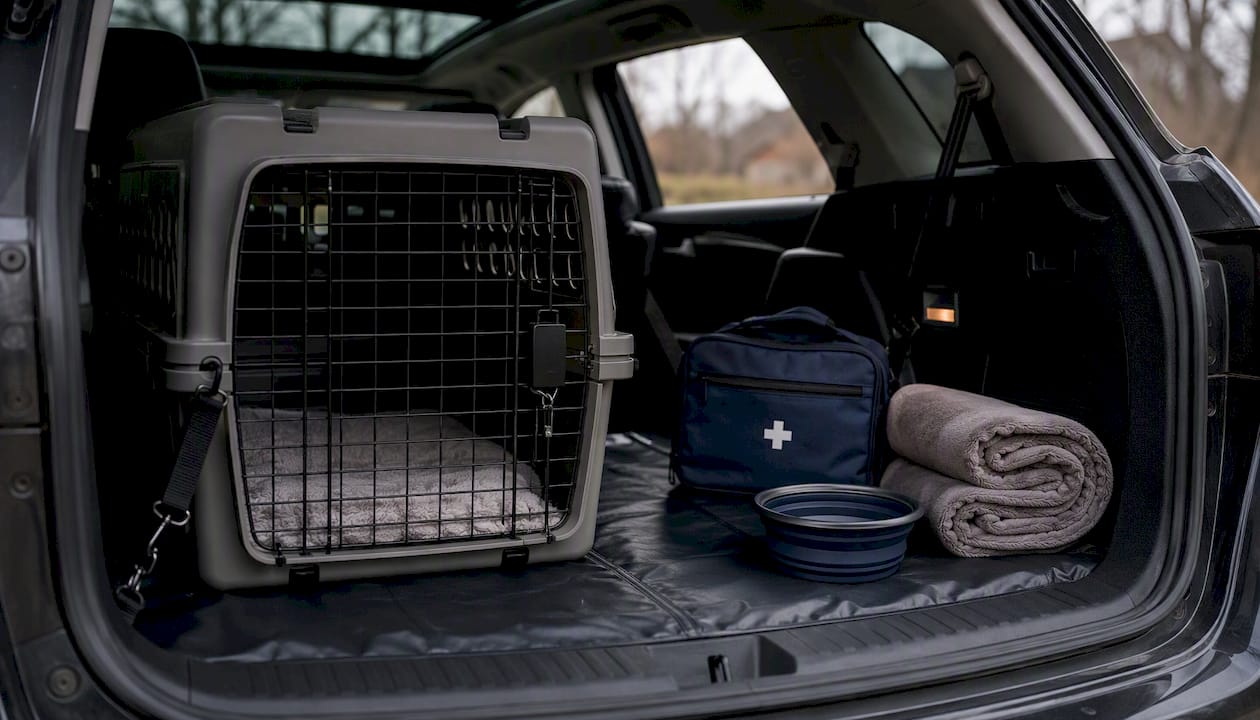
Pack a compact travel medical kit: gauze, antiseptic wipes, a digital thermometer, any prescribed medications, and your emergency vet's number.
Pro Tip: For anxious dogs, a familiar blanket or worn T-shirt in the crate carries your scent and reduces stress noticeably. Pheromone sprays like Adaptil for dogs or Feliway for cats can also take the edge off for the first few rides.
How to set up your car before every pet trip
The goal is simple: make the mess containable before it happens. A waterproof seat cover costs far less than upholstery restoration, and a cargo liner is easier to hose off than a carpeted trunk.
- Waterproof seat covers or hammock-style covers: Look for machine-washable fabric, non-slip backing, and side-flap anchors that prevent pets from sliding into the footwell. Hammock styles work well for dogs that pace.
- Cargo liners: For SUVs and wagons, a fitted cargo liner with raised edges catches hair, mud, and water. Pair it with a cargo barrier to keep dogs from jumping into the rear seat area.
- Floor mats: Heavy-duty rubber mats under the cargo liner catch overflow and are easy to rinse.
- Sunshades: Rear-window sunshades reduce direct heat on pets riding in the back. Combine with cracked windows for airflow on warm days.
- Crate tie-down straps or cargo nets: If your pet rides in a crate, anchor it with cargo straps rated for the crate's weight. A sliding crate in a hard stop is nearly as dangerous as no crate at all.
- Loose-item check: Stow water bottles, bags, and gear in the trunk or a secured bag. Loose objects become projectiles in a crash.
For frequent pet travelers, an SUV or wagon with a flat cargo floor is genuinely easier to manage than a sedan. Cargo liners fit flush, crates anchor cleanly, and cleanup takes half the time. If you drive a sedan, a rear-seat hammock cover is the next best option. For tips on protecting higher-end upholstery, the guide on protecting luxury vehicles covers materials-specific treatments worth knowing.
How to clean pet hair, stains, and odors from your car
Speed matters here. A urine stain treated within an hour rarely reaches the padding. The same stain left overnight almost always does, and once it's in the padding, surface cleaning won't fix it.
- Remove loose hair first. Run a rubber grooming glove or rubber-bristle brush across seats and carpet in one direction. This agitates fibers and pulls electrostatically clinging hair to the surface so the vacuum can actually grab it. Vacuuming without this step leaves 40–60% of embedded hair behind.
- Vacuum thoroughly. Use a handheld vacuum with a motorized brush head. Work in overlapping passes, not quick swipes.
- Treat organic stains immediately. Blot liquid first, then apply a bio-enzymatic cleaner. These break down the proteins in urine, vomit, and feces at the molecular level. Surface sprays only mask the smell; they don't eliminate the source.
- Deodorize. Sprinkle baking soda over treated areas, let it sit 15–20 minutes, then vacuum. Activated charcoal pouches left in the car overnight absorb residual odors well.
- Wipe hard surfaces. Door panels, center console, and seat-belt buckles collect dander and oils. A damp microfiber cloth with a pet-safe all-purpose cleaner handles this in minutes.
For a deeper look at pro-level hair removal techniques, the embedded pet hair removal guide covers extraction tools and methods that go well beyond what a handheld vacuum can do.
Keep this kit in your car at all times:
- Lint roller and rubber grooming glove
- Pet wipes and disposable paper towels
- Travel-size enzyme spray (pet-safe formula)
- Waste bags and a small sealed container for soiled items
- Microfiber cloth
Pro Tip: Never use ammonia-based cleaners on pet urine stains. Ammonia smells similar to urine to a pet's nose, which can encourage repeat accidents in the same spot. Stick to enzyme-based formulas labeled specifically for pet messes.
When should you call a professional detailer?
DIY cleaning handles surface hair and fresh spills well. It does not handle odors that have soaked into the foam padding, hair woven into carpet backing, or bio-organic stains that have dried and set. Those require tools and products most pet owners don't own.
Call a pro when you notice any of these:
- Odor that returns within a day or two of cleaning
- Hair visible in carpet seams or under seat rails after vacuuming
- Stains that have changed the fabric color or texture
- Visible mold or mildew from moisture trapped under a cover
- Allergy symptoms that persist even after regular vacuuming
Professional detailers working on pet-heavy vehicles typically use hot-water extraction to pull hair and organic material out of carpet backing and seat foam, steam sanitization to kill bacteria and mites, enzymatic deep-treatment applied under pressure to reach padding-level odors, and HEPA-filtered vent cleaning to remove dander from the HVAC system. These aren't upsells; they're the only methods that actually reach the source of the problem.
| Service Tier | What's Included | Typical Price Range | Turnaround |
|---|---|---|---|
| Express interior detail | Vacuum, wipe-down, light odor spray | $150 | 1–2 hours |
| Deep-extraction interior | Full extraction, enzyme treatment, steam | $150–$300 | 2–4 hours |
| Odor-neutralization add-on | Ozone or enzymatic odor program | $50–$150 additional | 1–3 hours |
For heavy pet riders, a professional deep clean every 2–3 months keeps odors and embedded hair from compounding. Occasional riders can usually get by with twice a year. The car detailing frequency guide breaks this down by use case if you want a more specific schedule.
Professional detailers consistently find that the worst pet odors come not from the seat surface but from urine or vomit that soaked through fabric into the foam padding beneath. No surface spray reaches that layer. Extraction equipment and enzymatic dwell time are the only reliable fix.
What to do if your pet overheats or is injured in the car
Act immediately. Every minute of delay in a heat emergency increases the risk of organ damage.
If your pet shows signs of heatstroke (heavy panting, drooling, weakness, collapse):
- Remove the pet from the vehicle immediately and move to shade or air conditioning.
- Apply cool (not ice cold) water to the neck, armpits, and groin area. Use a wet cloth or pour water slowly.
- Offer small sips of cool water if the pet is conscious and can swallow.
- Place cool, damp towels under the pet, not over them — covering traps heat.
- Drive directly to an emergency vet. Call ahead so they can prepare.
For bleeding or injury:
- Apply firm, direct pressure with a clean cloth. Do not remove the cloth if it soaks through; add more on top.
- Keep the pet as still and calm as possible during transport.
- Do not attempt to splint or manipulate a suspected fracture in the car.
For choking:
- If the pet is conscious and distressed but breathing, drive to the vet immediately rather than attempting removal.
- If the pet is unconscious and not breathing, a modified Heimlich maneuver may be attempted, but get to a vet within minutes.
Keep this contact list in your glovebox:
- Your regular vet's number and after-hours line
- Nearest 24-hour emergency animal hospital
- ASPCA Animal Poison Control Center: (888) 426-4435
- Your pet's microchip registration number and vendor
Call 911 only if you are also injured or unable to drive safely. Otherwise, drive directly to the emergency vet while keeping the pet cool and calm.
A practical maintenance schedule for pet-friendly vehicles
Frequent pet travel without a maintenance routine compounds fast. Hair builds up in vents, dander settles into carpet backing, and odors intensify with each trip. A simple schedule prevents that.
| Task | Frequency | Who Does It |
|---|---|---|
| Lint roll and rubber-glove hair removal | After every trip | Owner |
| Vacuum seats and cargo area | Weekly | Owner |
| Wash seat covers and cargo liners regularly or after accidents | ||
| Wipe hard surfaces and door panels | Monthly | Owner |
| Replace cabin air filter | Every 12,000 miles (or sooner with frequent pet travel) | Owner or shop |
| Professional interior detail | Every 2–3 months (heavy riders) / twice yearly (occasional) | Pro detailer |
Cabin air filters deserve special attention for pet owners. Hair and dander clog them faster than manufacturer schedules anticipate, which reduces airflow and recirculates allergens through the cabin. If you or a passenger has allergies, check the filter every 6,000–8,000 miles rather than waiting for the standard interval.
Estimated costs to budget:
- Waterproof seat cover: $30–$120 depending on vehicle fit and material
- Handheld vacuum with motorized brush head: $50–$150
- Cabin air filter (DIY replacement): $15–$40
- Professional deep-extraction detail: $150–$300 (see the table above)
For a full at-home routine between professional visits, the practical tips for keeping your car clean between details covers the exact steps worth building into a weekly habit.
Quick recurring checklist:
- Remove hair with rubber glove after every trip
- Vacuum regularly
- Wash covers monthly
- Check cabin air filter every 6,000–8,000 miles
- Book professional detail every 2–3 months (heavy riders)
Key Takeaways
Combining AVMA/CDC-backed restraint and heat safety with a consistent cleaning routine is the most effective approach to pet owner car care, and periodic professional extraction keep embedded odors and hair from becoming permanent.
| Point | Details |
|---|---|
| Restraint is non-negotiable | Use a crash-tested harness or secured crate on every trip, per AVMA guidance. |
| Heat danger is faster than most owners expect | Parked-car temperatures can exceed 100°F in under 10 minutes on an 85°F day; never leave pets unattended. |
| Clean immediately after accidents | Bio-enzymatic cleaners treat stains at the source; surface sprays only mask odors temporarily. |
| Cabin air filters require more frequent replacement due to pet hair and dander buildup, so check and replace them more often than standard intervals | |
| Living Waters Auto Wash LLC for deep resets | Mobile pet-friendly detailing in Boca Raton, Pompano Beach, Coral Springs, Parkland, and Palm Beach County handles extraction and odor treatment when DIY reaches its limit. |
The trade-off most pet owners get wrong
Most pet owners focus almost entirely on cleaning after the fact and almost nothing on protection before the trip. That's backwards. Using a waterproof seat cover can prevent urine damage that otherwise requires costly professional extraction. A rubber grooming glove used for two minutes before vacuuming removes more hair than 20 minutes of vacuuming alone.
The other thing worth saying plainly: DIY cleaning has a real ceiling. Surface tools and enzyme sprays handle fresh messes and light accumulation well. They do not reach the foam padding under your seats, the carpet backing under the mat, or the dander packed into your HVAC vents. That's not a failure of effort; it's a physics problem. Extraction equipment and steam sanitization exist precisely because fabric and foam are porous.
For busy pet owners in South Florida, the math on mobile detailing is straightforward. You don't drive somewhere, wait, or rearrange your schedule. A trained detailer comes to your driveway, handles the deep work, and leaves the car genuinely clean, not just surface-clean. That's the gap between a car that smells fine today and one that still smells fine in six months.
Living Waters Auto Wash LLC brings pet-friendly detailing to your door
Pet owners in Boca Raton, Pompano Beach, Coral Springs, Parkland, and Palm Beach County have a straightforward option for the deep work: Living Waters Auto Wash LLC comes to you. No driving to a shop, no waiting around, no need to supply water or power.

The mobile pet-friendly detailing service covers the jobs that matter most for pet owners: hot-water extraction to pull embedded hair from carpet and seat foam, enzymatic odor treatment that reaches padding-level contamination, HEPA vent cleaning to clear dander from the HVAC system, and washable seat-cover cleaning as part of the interior service. Recurring maintenance plans are available for owners whose dogs or cats ride every week.
Living Waters Auto Wash LLC carries a 5-star local reputation and handles everything from express interior refreshes to full odor-neutralization programs. To check availability or book a mobile detail in Palm Beach County, visit lwautowash.com.
Useful sources and further reading
Official guidance:
- AVMA: Pets in vehicles
- AVMA: Traveling with your dog or cat
- CDC: Traveling with pets
- CDC: Heat risks for pets
- FDA: Travel training for you and your pets
- AAHA: The ultimate guide to traveling safely with your pet
- USA TODAY: How to keep your pet safe in your car this summer
Living Waters Auto Wash LLC blog:
- How detailers restore pet-damaged upholstery
- How detailers remove embedded pet hair from cars
- How detailers sanitize car interiors
- Car detailing frequency recommendations